The Shadow Over Mangalampet: A Story of Power, Land, and Silence
The sun was just sliding behind the dense canopy of the Mangalampet Reserve Forest when the first rumours began to swirl through Pulicherla mandal. Villagers spoke in hushed tones, forest guards exchanged nervous glances, and drone surveys from the Vigilance Department revealed a truth buried beneath layers of power.
For decades, the land deep inside the Mangalampet reserve had belonged to the forest—untouched, unclaimed, and fiercely protected by law. But that reality began to shift when Peddireddi Ramachandra Reddy, one of the most powerful political figures in Andhra Pradesh, rose to the number two position in the state cabinet. With influence that stretched across bureaucracies, no file moved without his nod.
And no boundary, it seemed, could stop him.
Chapter 1: The Farm That Shouldn’t Exist
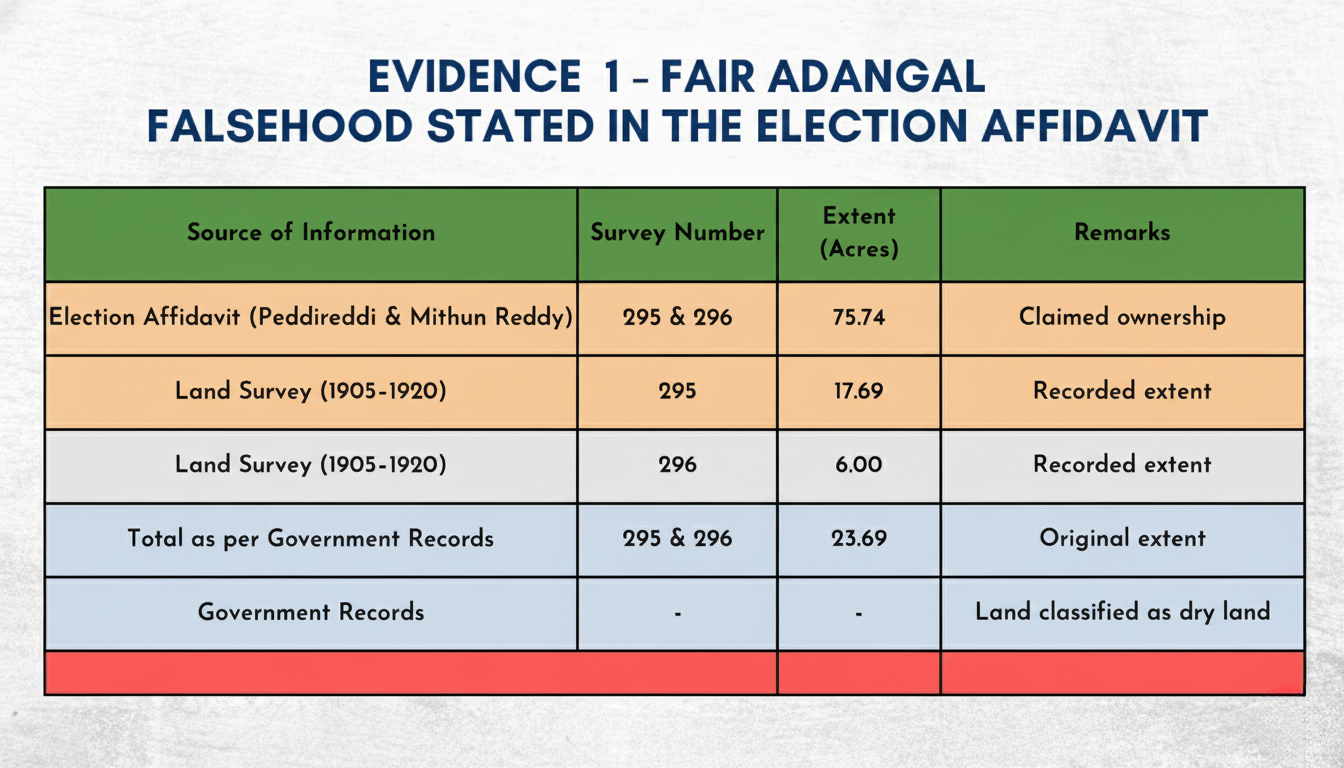
In official records, Survey Nos. 295 and 296 listed only 23.69 acres of dry land. That was the truth that sat quietly inside century-old land surveys conducted between 1905 and 1920.
But what stood on the ground in 2025 was something very different.
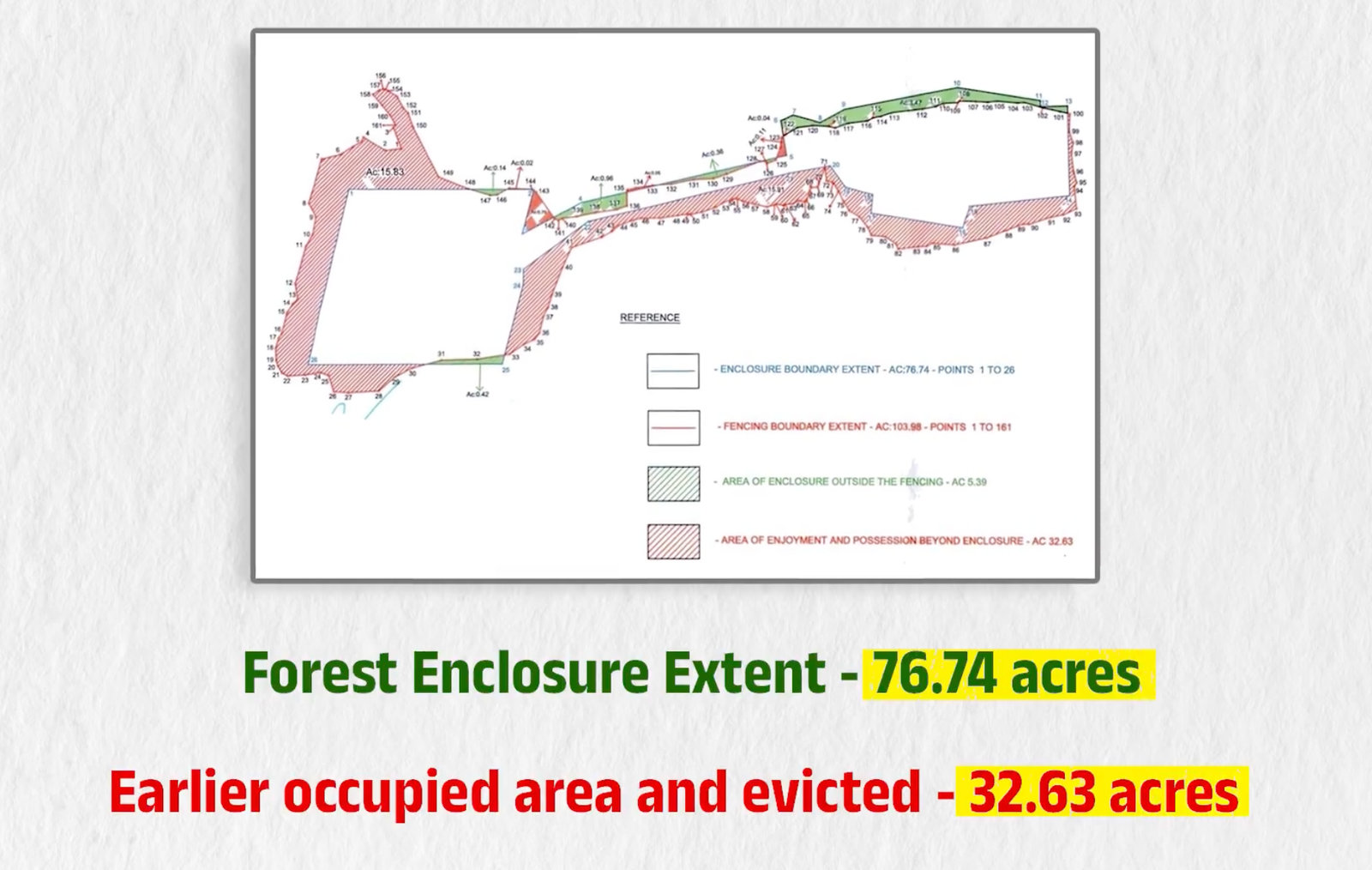
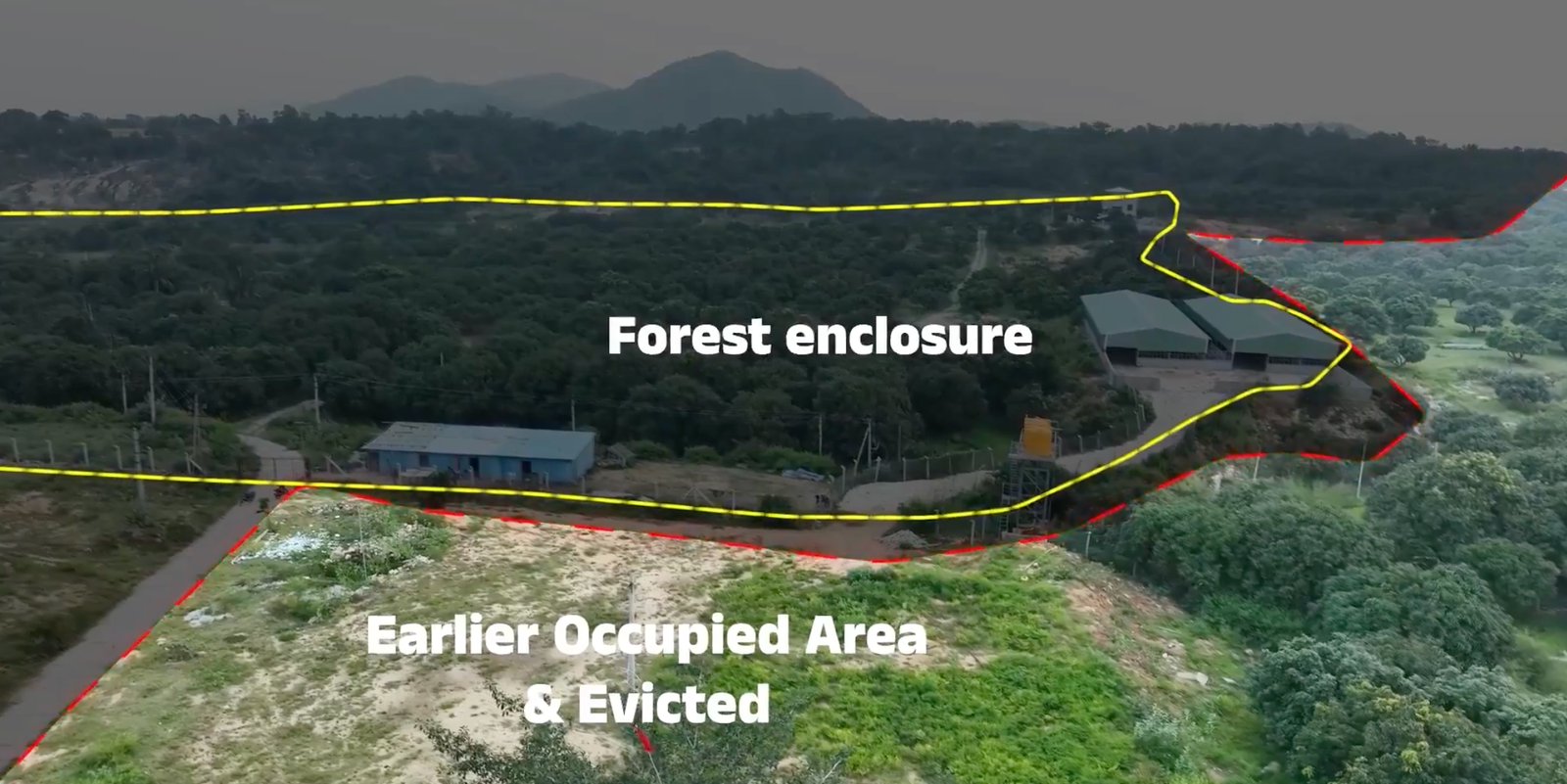
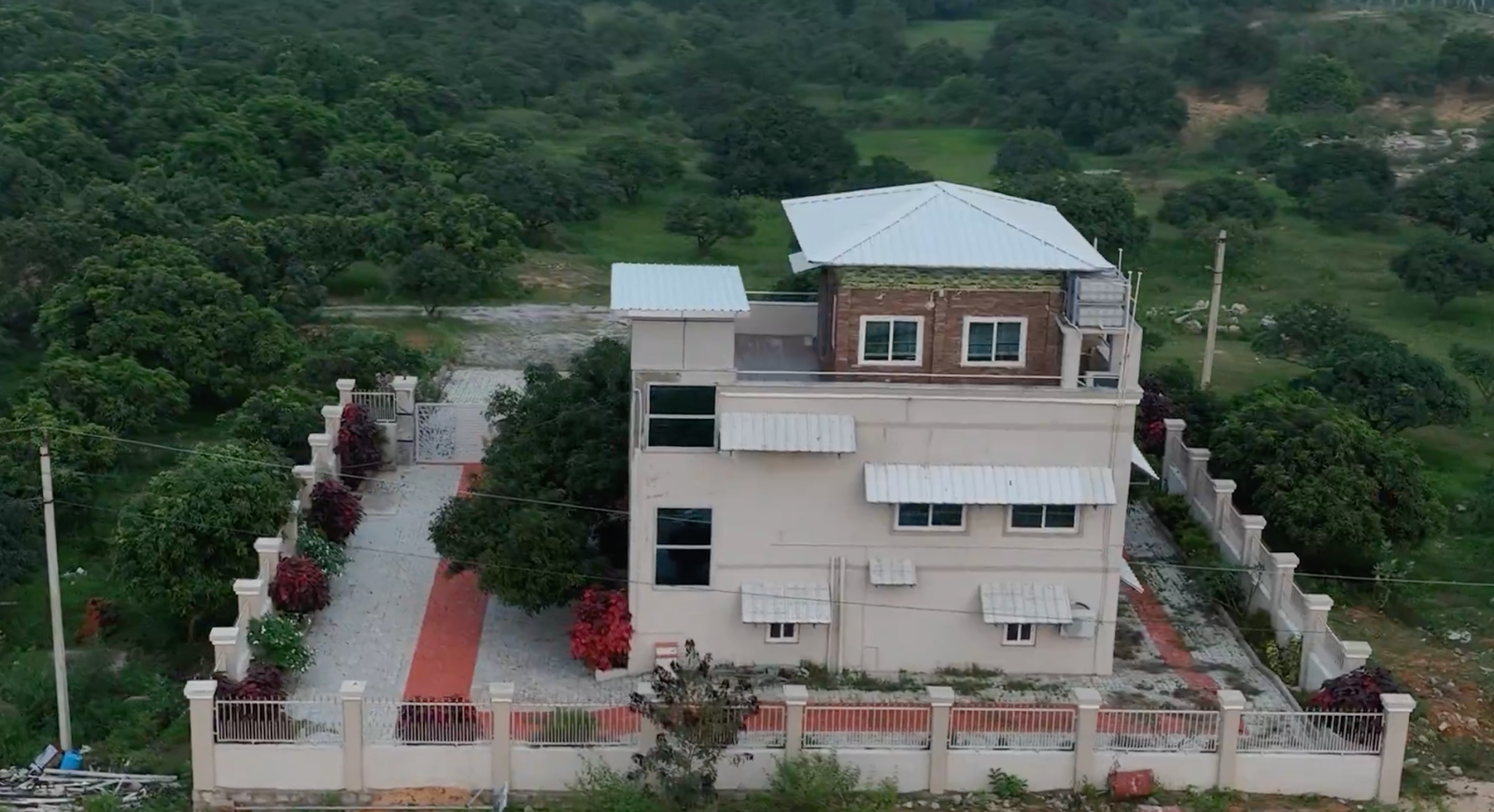
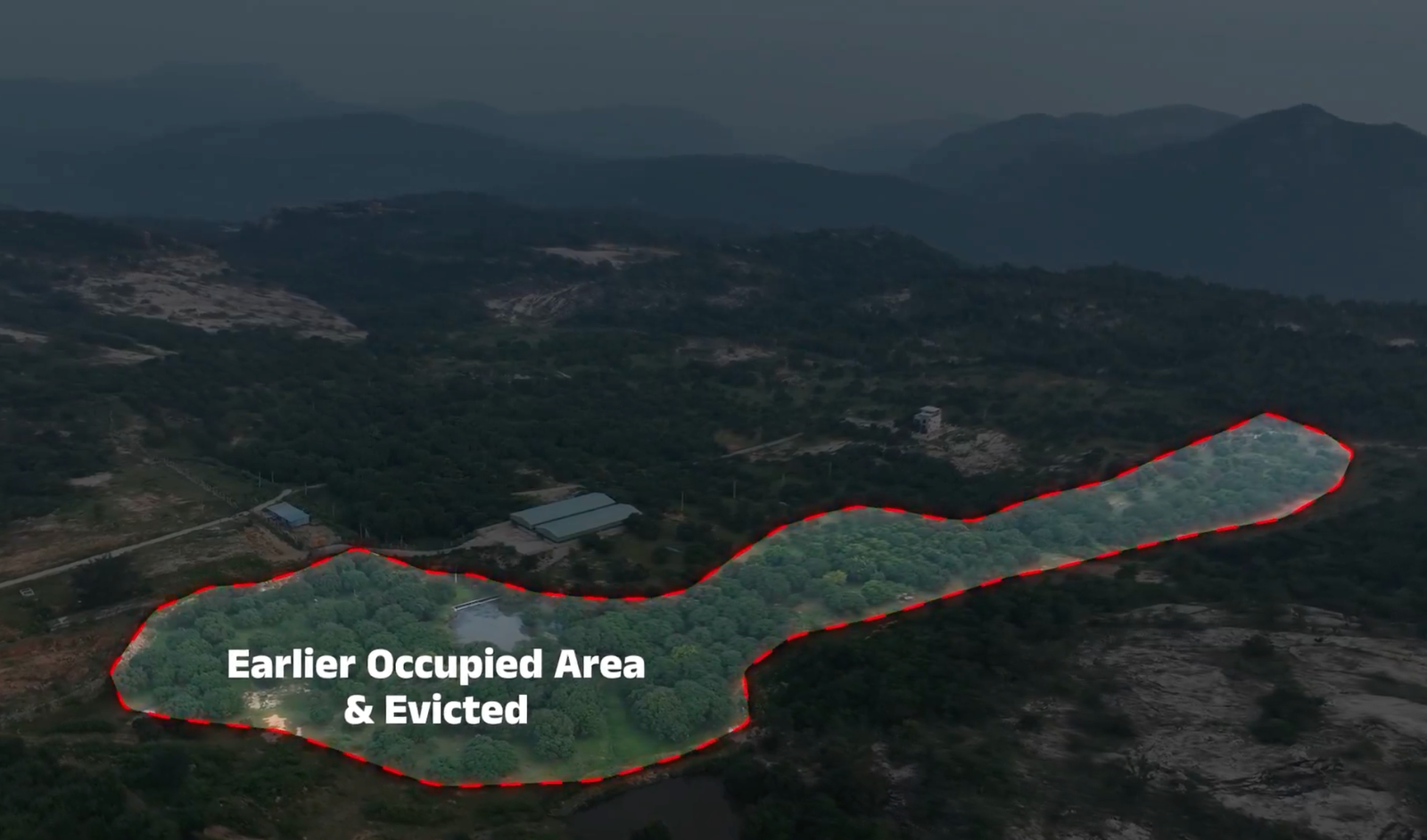
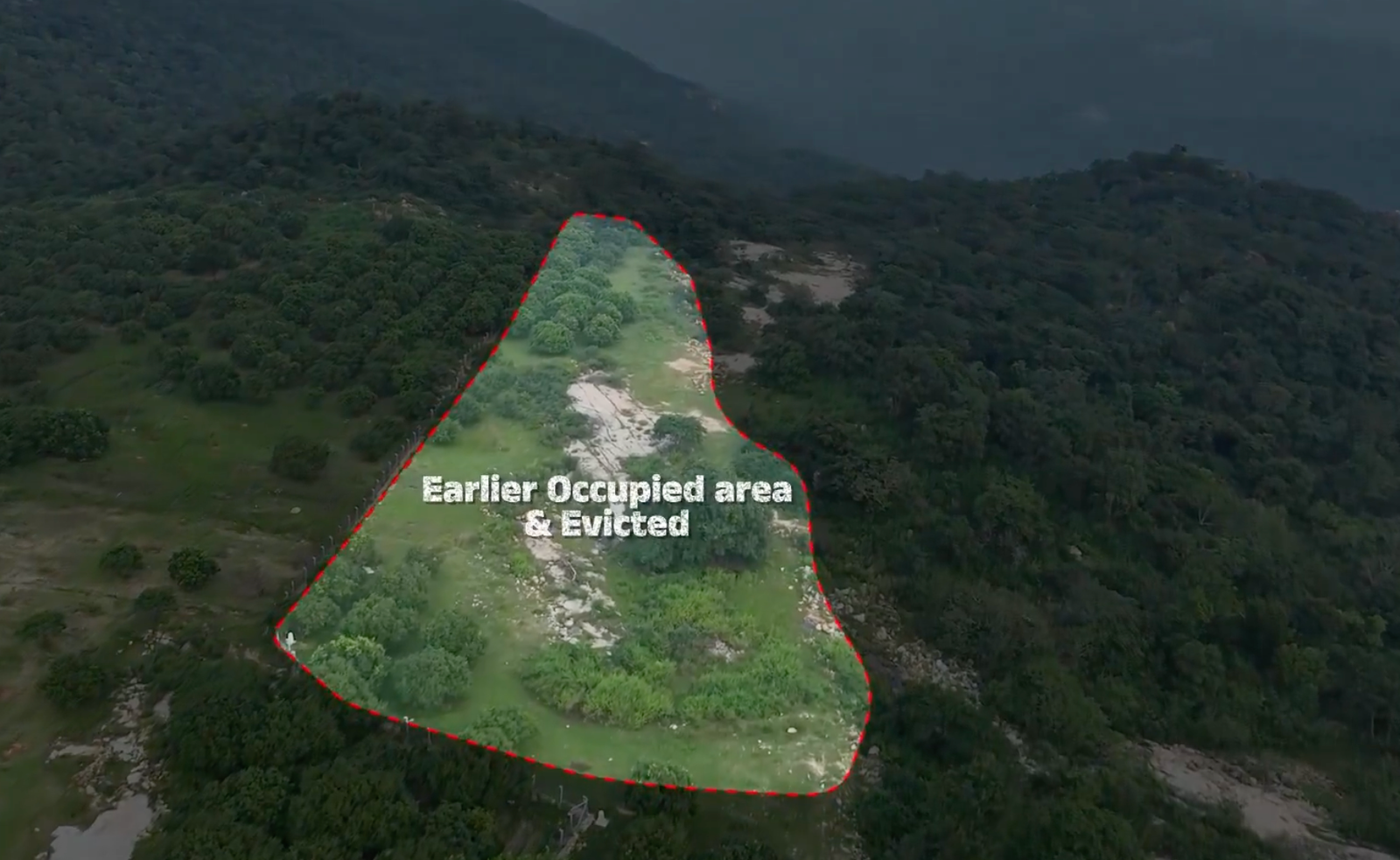
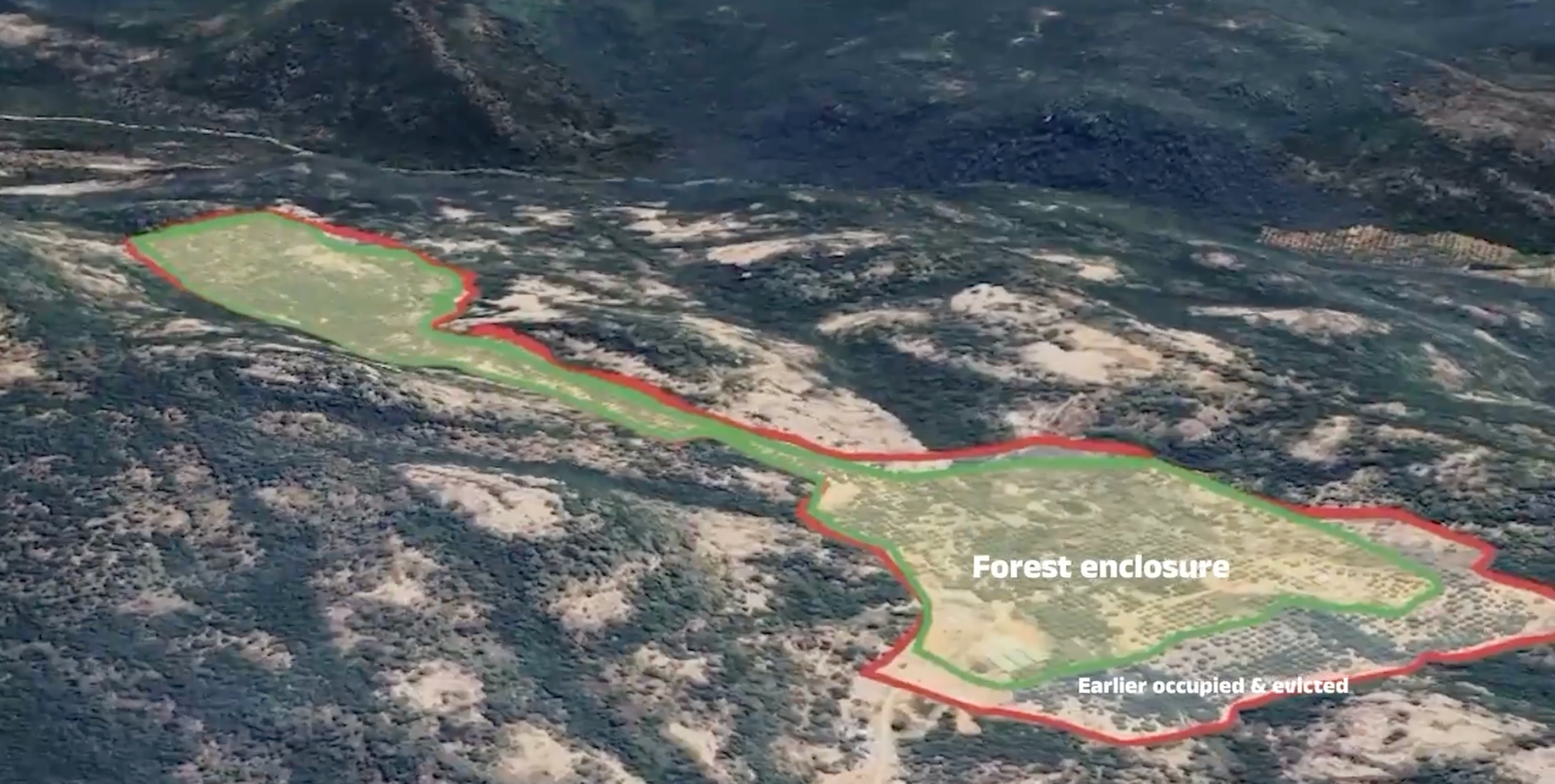
Strong fencing—miles of it—encircled a lush, sprawling 104-acre private farm. Fruit orchards stretched across the once-protected forest slopes. A private road carved through greenery like a scar.
Villagers whispered, “Whose land is that?”
Everyone already knew the answer.
Chapter 2: The Vigilance Awakening
The Andhra Pradesh Vigilance Commission, under new leadership, began tugging at a thread that quickly turned into a web.
They compared: RoR records, Webland entries, Drone footage, Google Earth timelines, Old sale deeds, Mutation histories, and Field surveys.
And every layer revealed one startling thing: The land seemed to grow each time it appeared on a different government record.
From 23.69 acres → 45.80 acres → 77.54 acres → 86.65 acres → 104 acres fenced.
A forest officer quietly muttered during inspection: “Land doesn’t grow. Intent does.”
Chapter 3: The Deeds of Paper
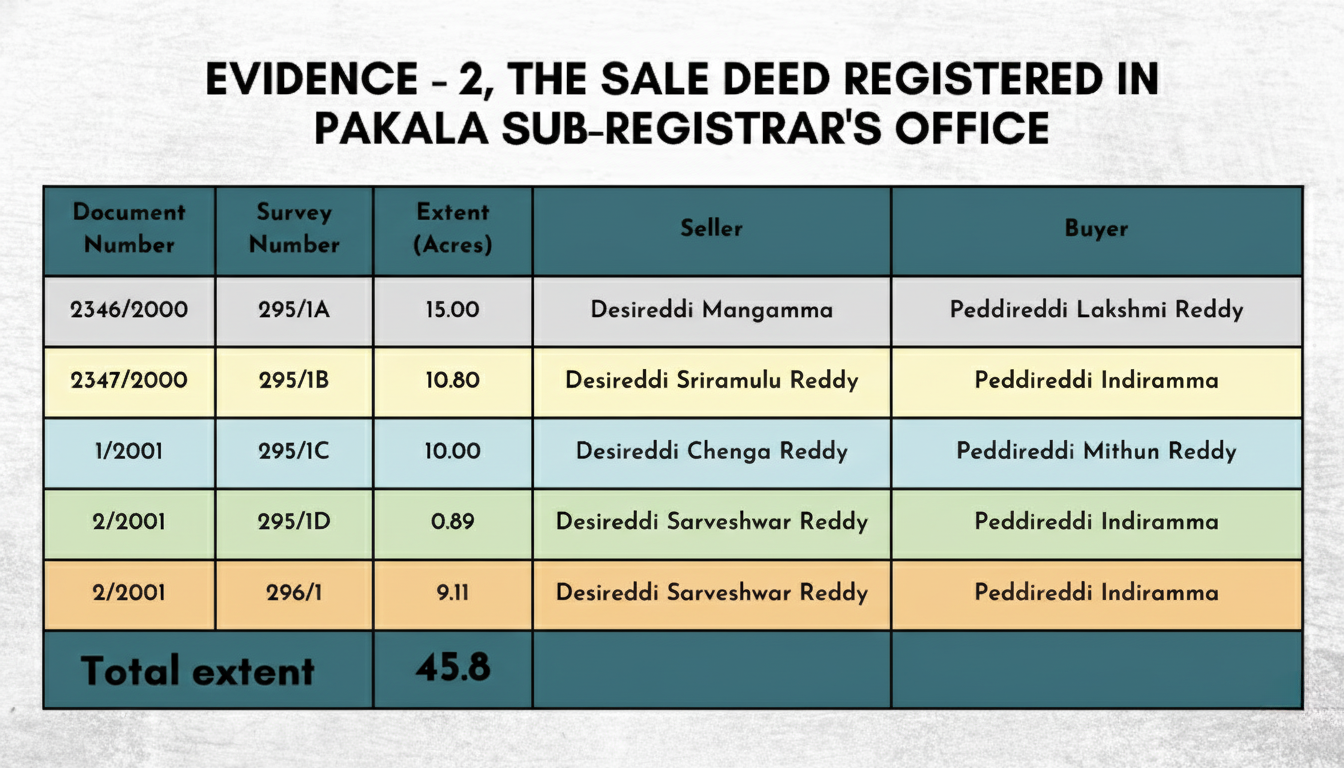
The story unfurled in old files from the Pakala Sub-Registrar’s office.
Family members of the former minister had bought: 15 acres from Mangamma, 10.8 acres from Sriramulu Reddy, 10 acres from Chenga Reddy, and 9.11 acres from Sarveshwara Reddy. All supposedly within survey numbers that originally held only 23.69 acres.
Magically, 36.69 acres appeared in Survey No. 295, and 9.11 acres in Survey No. 296—numbers impossible by geography but possible by influence.
Subdivision entries were tampered with. Webland records inflated. 10-1 Adangals assigned ancestral ownership to land that simply hadn’t existed.
One Vigilance officer wrote in his internal note: “Survey numbers don’t multiply. People do.”
Evidence: The Paper Trail
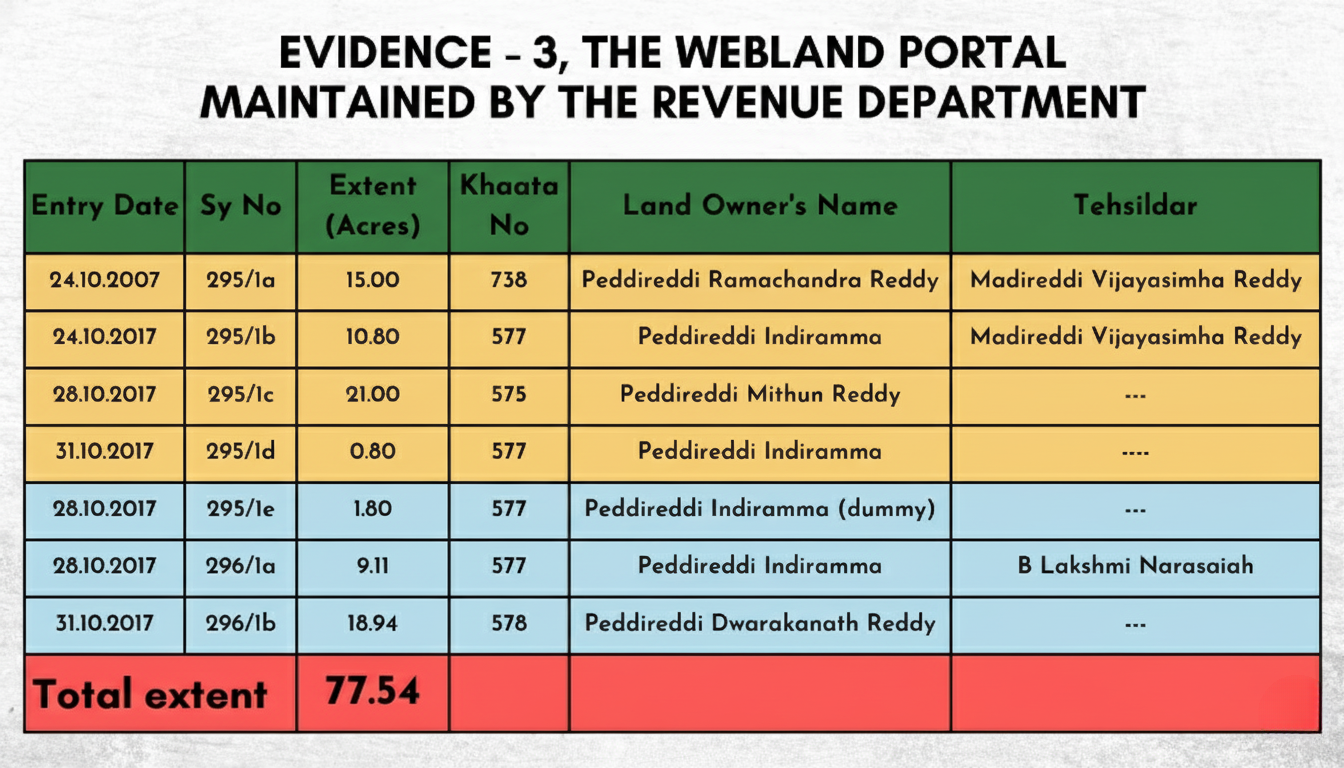
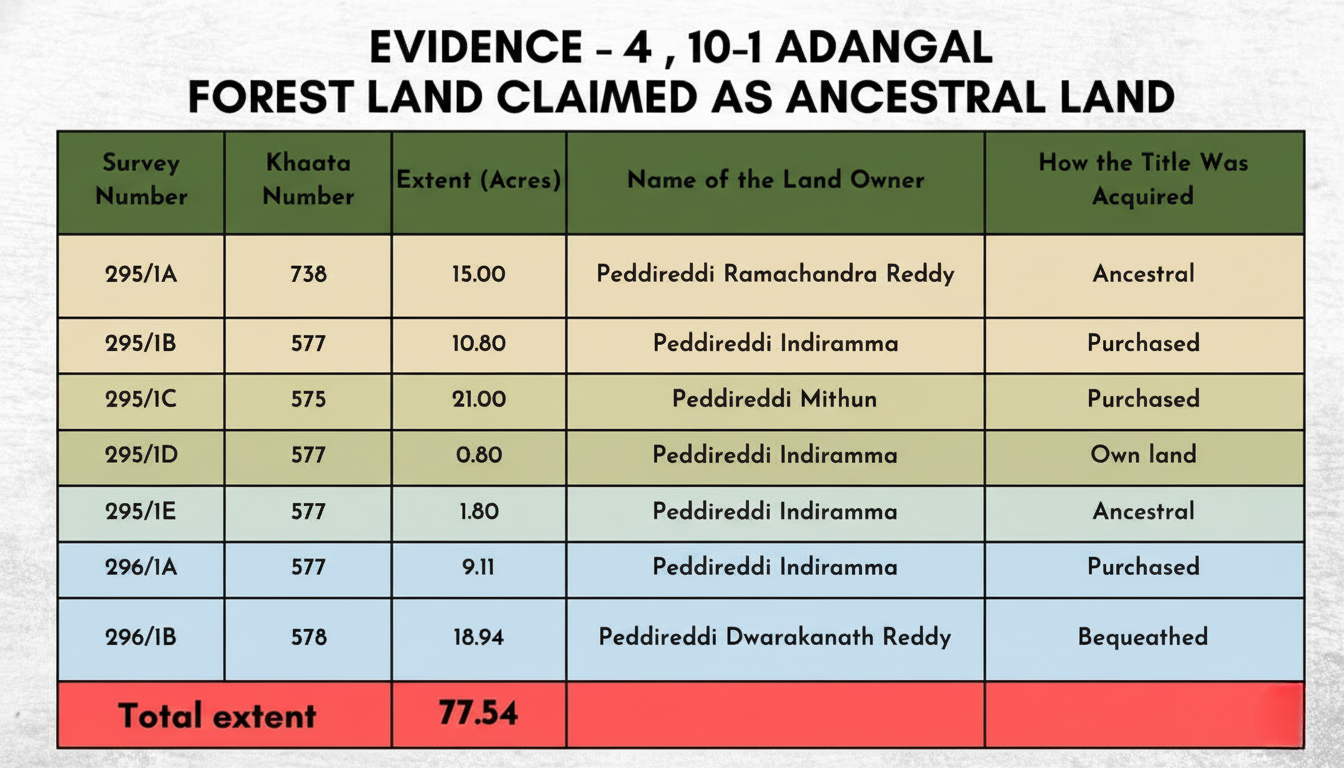
Chapter 4: A Road Through Silence
The land grab alone was not enough. A private farm needed access. And so, a 5-km blacktop road was laid—across the forest, using public money.
- It appeared in Gazette No. 1195, dated August 18, 2022.
- A route absurdly justified as a connection to a distant tribal hamlet.
The resolution? Passed by a panchayat under pressure. The villagers watched in silence. After all, this was a man no one dared to question.

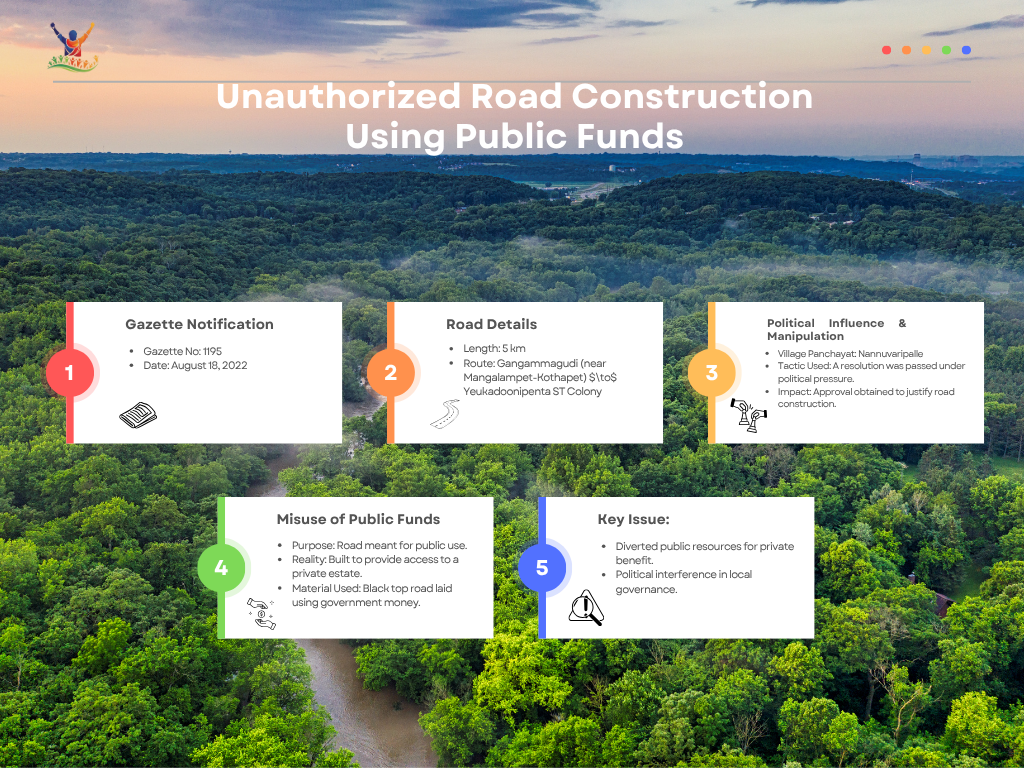
Chapter 5: The Defence
When confronted, Peddireddi Ramachandra Reddy remained unmoved. He waved old papers and declared:
“This is my hard-earned land.”
He claimed forest gazettes from 1968 supported him. He stated survey numbers had always held 75.74 acres. He insisted everything was legal.
But the truth glared back from satellite images and drone maps: Forests had been carved into a private kingdom.
Chapter 6: The Seven Proofs
The Vigilance Commission finally submitted a seven-point charge sheet:
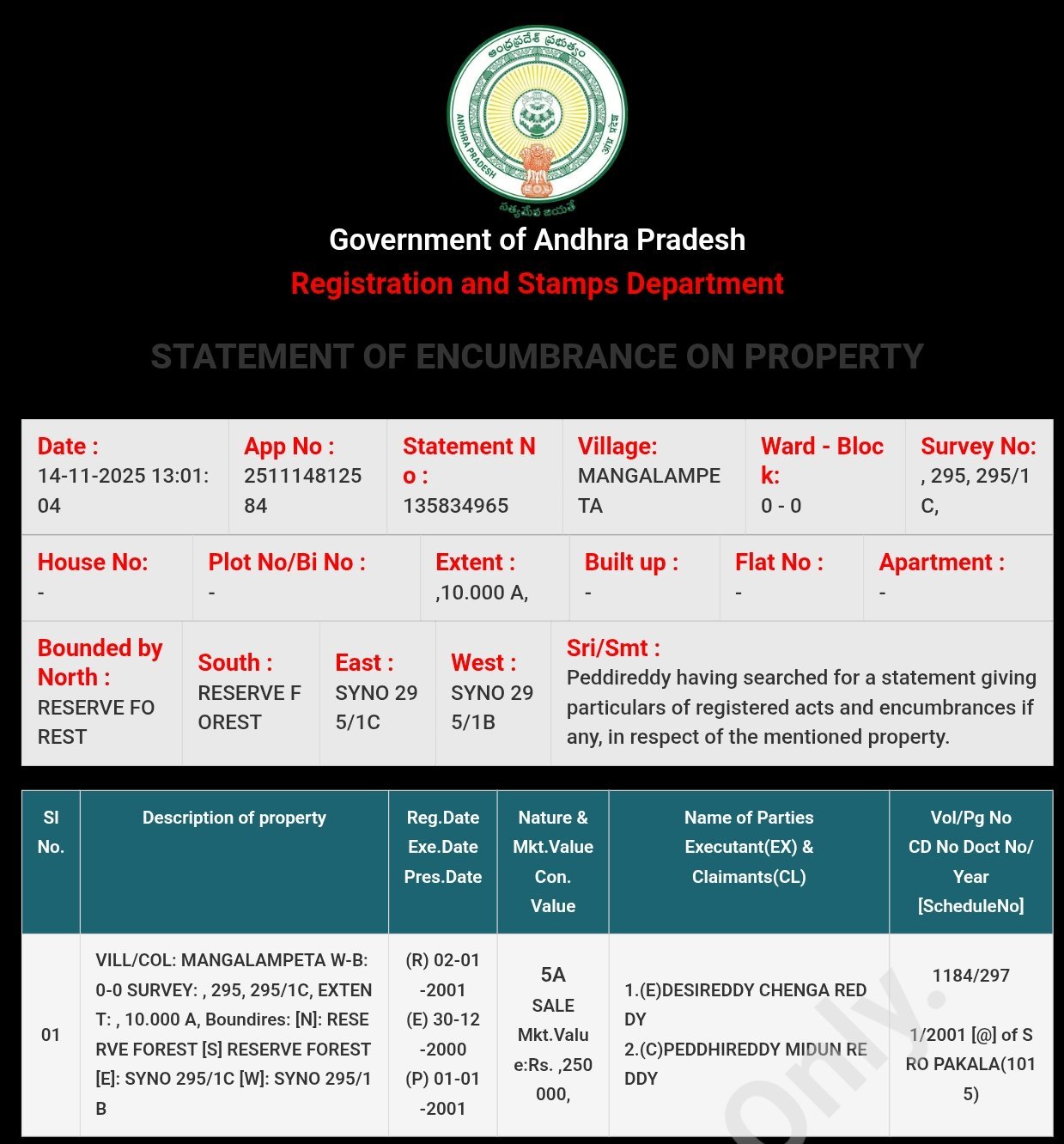
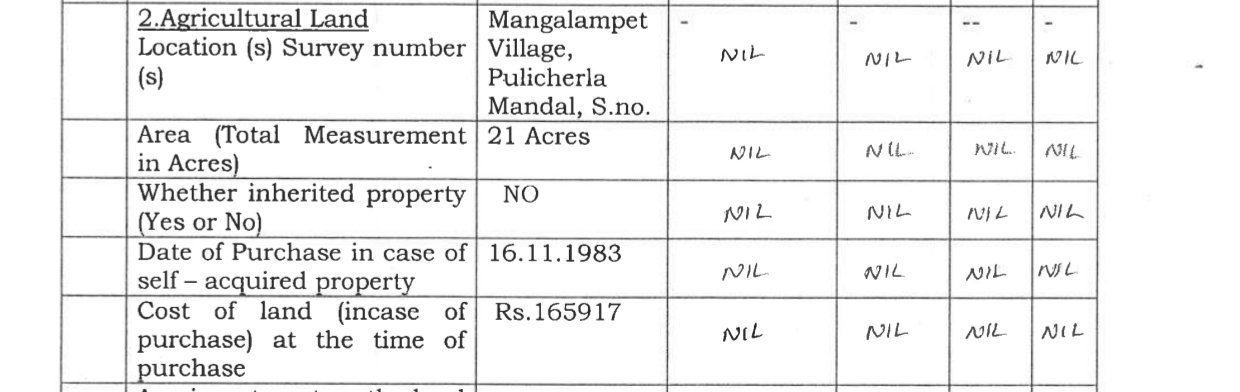
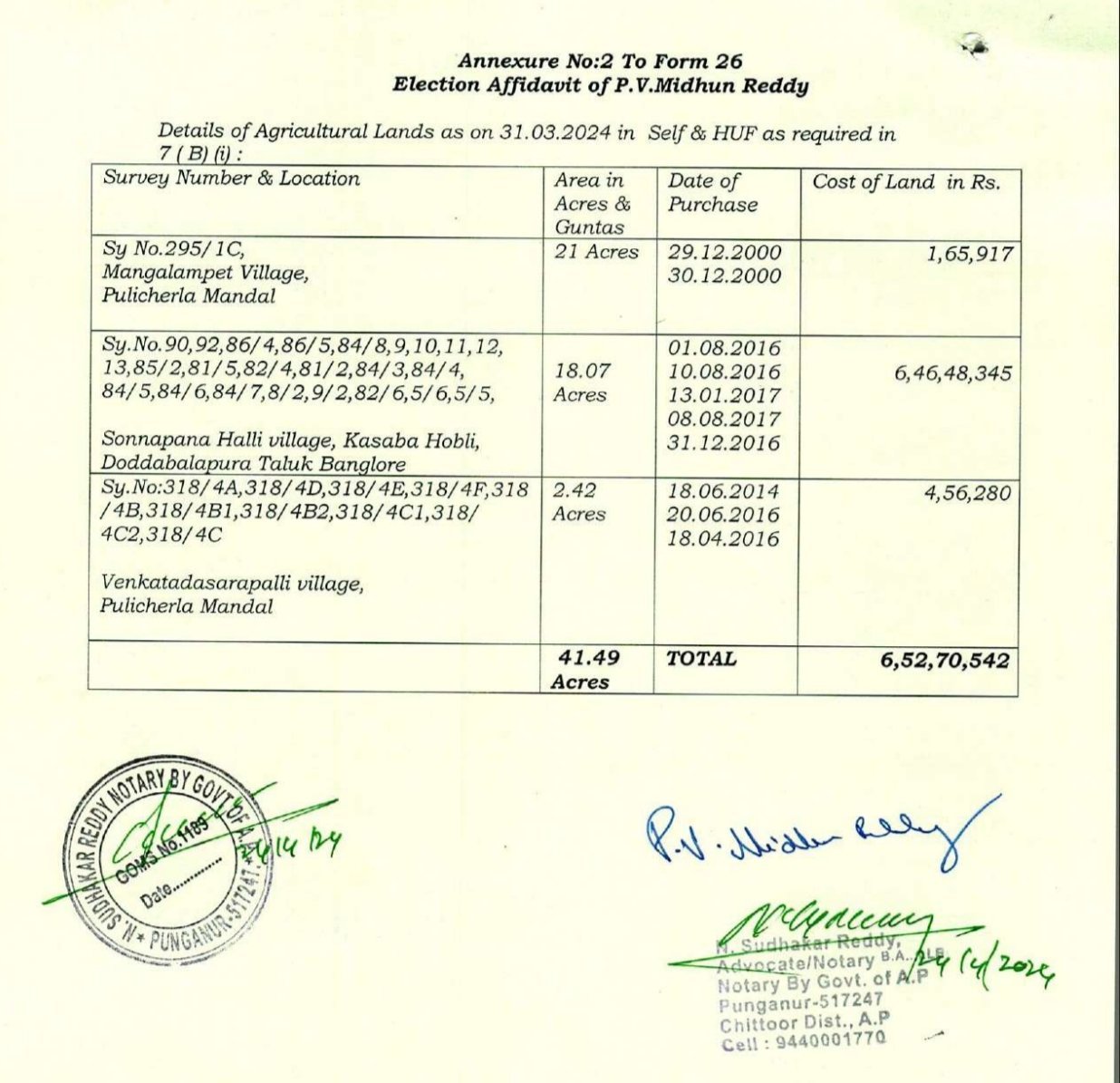
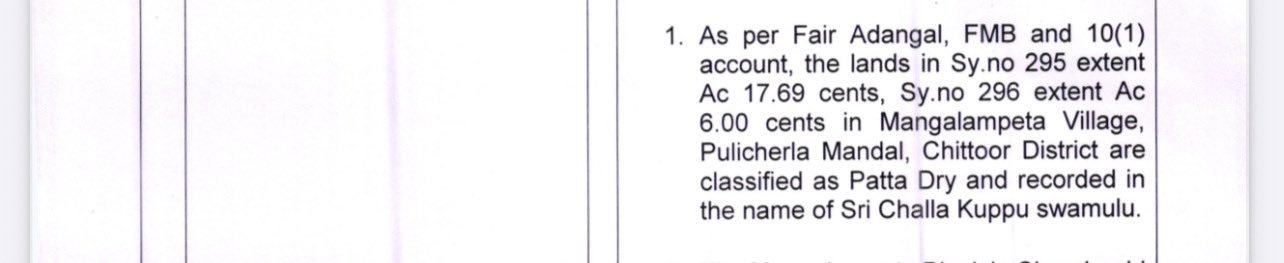
- Falsehood in election affidavit
- Inflated sale deeds
- Manipulated Webland records
- Fabricated Adangal entries
- Google Earth and drone proof of encroachment
- Field survey confirmation of 104 acres fenced
- Public funds used to build a private road
It was a rare moment—power being questioned, and a forest finally being heard.
Chapter 7: The Echo in the Forest
As the report landed on the government’s desk, the winds of Mangalampet carried a whisper of hope.
Forest staff, long afraid to speak, finally felt their silence lifting.
Villagers watched, waiting to see whether justice would be bold enough to reclaim what had been stolen. For the forest, it was not just about land—it was about survival. And for the state, it was about whether power could still be held accountable.
The story was no longer buried. The fences were no longer invisible. The truth was finally out.
Mangalampet had spoken.