Magic Drain Initiative in AP: Sustainable Rural Soakage Channels
The Magic Drain pilot project is a revolutionary rural sanitation initiative launched in Andhra Pradesh under the MGNREGS program. Designed to replace expensive and rigid concrete drains, these nature-based soakage channels effectively manage household greywater while simultaneously recharging local groundwater tables.
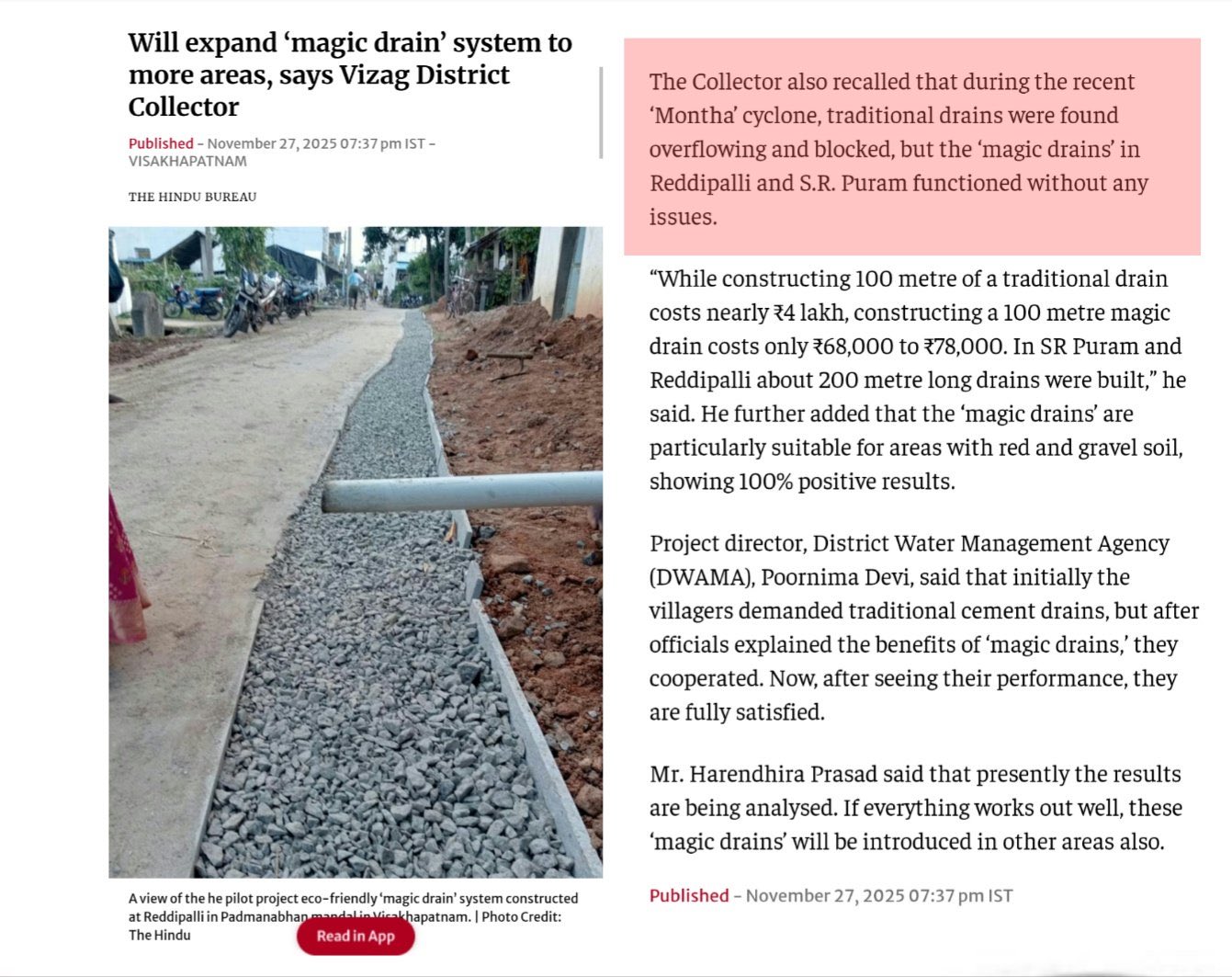
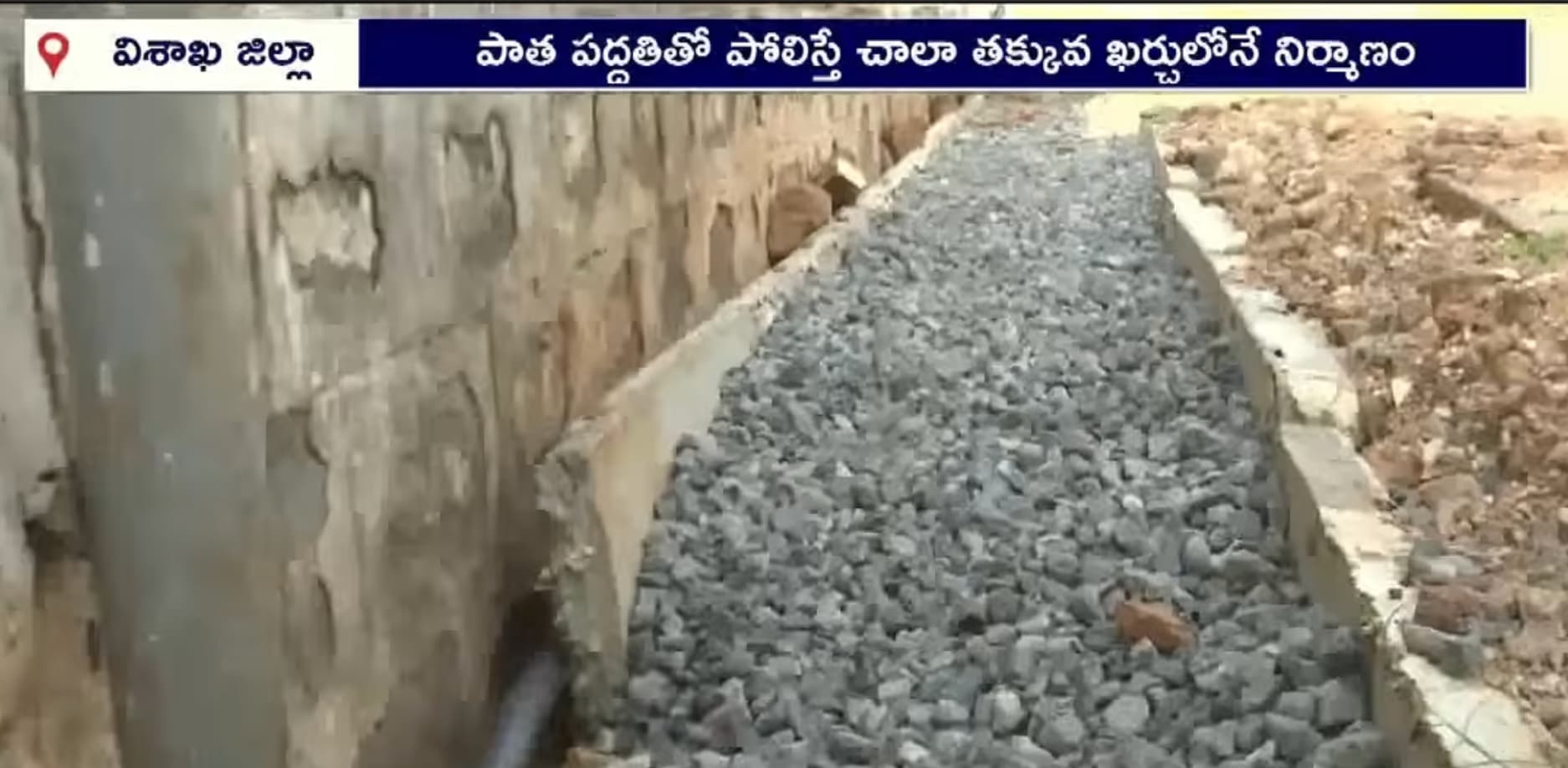
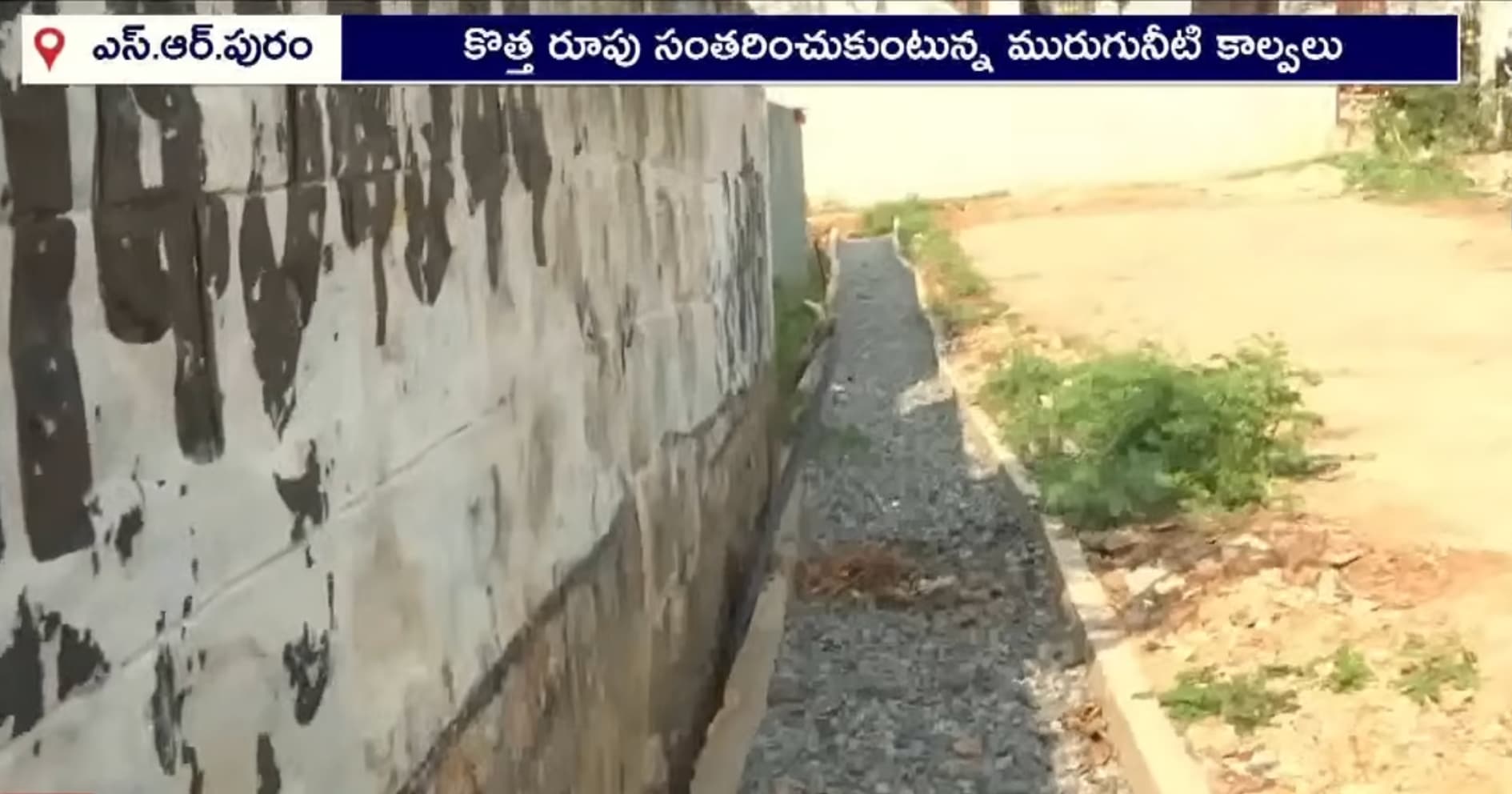
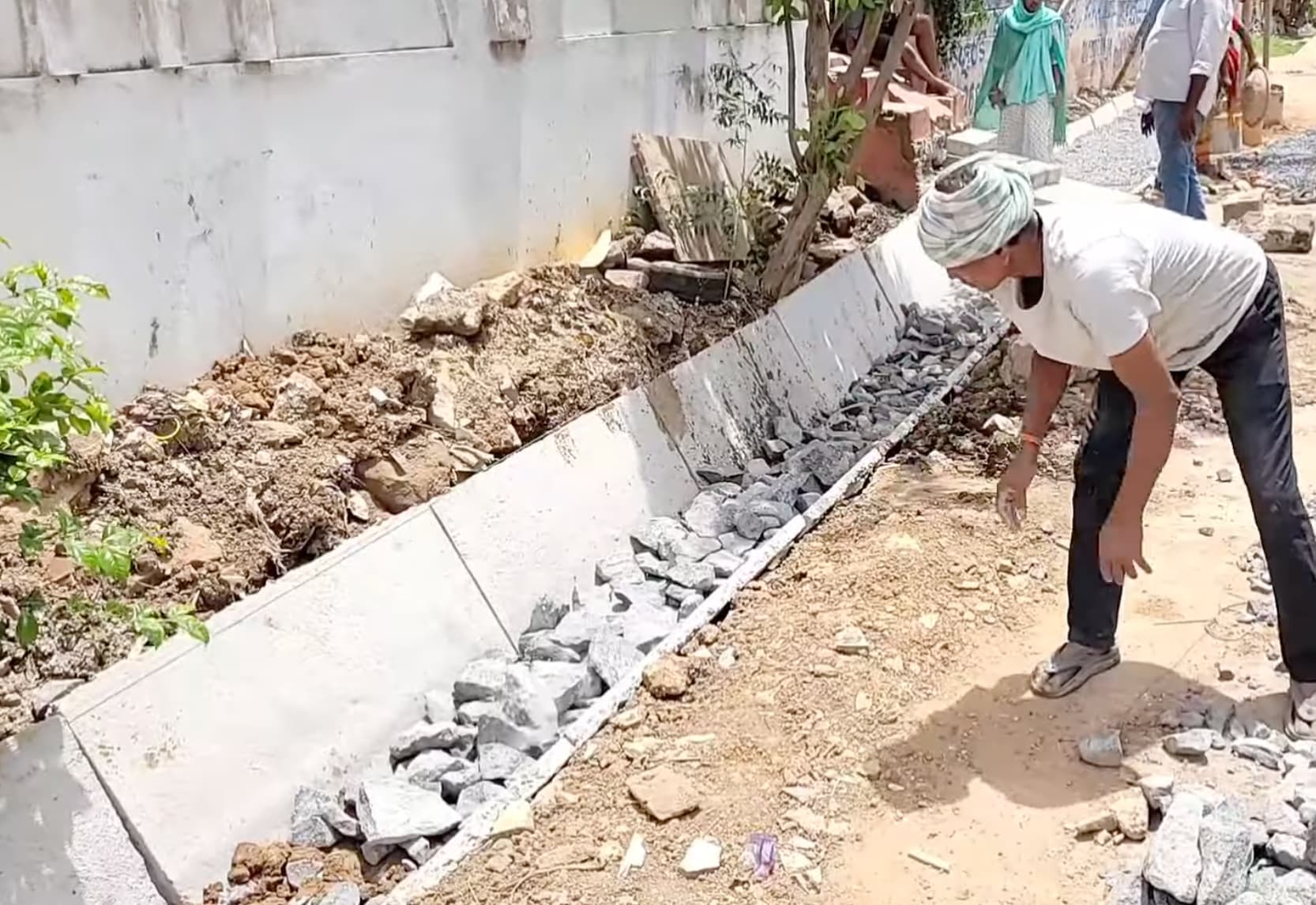
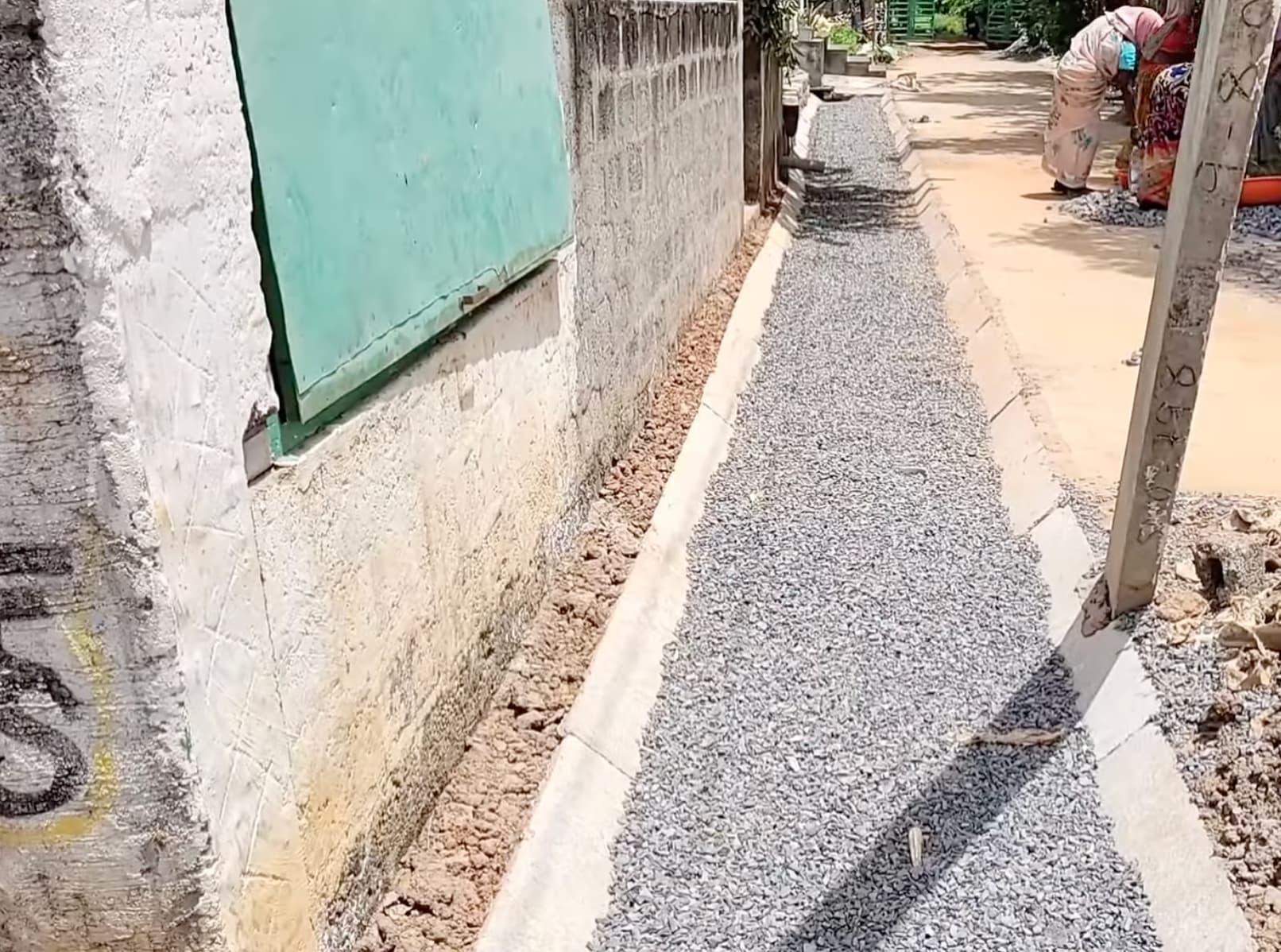
By filtering water through strategically engineered layers of gravel, medium metal, and large boulders, the Magic Drain eliminates foul odors, prevents vector-borne mosquito breeding, and acts as a stormwater buffer to stop street flooding during heavy monsoon rains. Implemented at roughly 13% of the cost of standard cement drains, this pilot—spearheaded by the AP Panchayat Raj & Rural Development department under Deputy CM Pawan Kalyan—is currently active in districts like NTR, Eluru, Visakhapatnam, and Kakinada, paving the way for state-wide sustainable sanitation by 2026.
The Sanitation Challenge & The Fix
Why traditional rural drainage systems in Andhra Pradesh were failing, and how the Magic Drain offers a scalable solution.
The Issue
Poor greywater management leads to foul odors, mosquito breeding, and the spread of waterborne and vector-borne diseases in rural communities.
The Constraint
Traditional underground or cement drains are often too expensive to implement and maintain due to Panchayat budget limitations (approximately ₹5 Lakhs per 100m).
The Innovation
The "Magic Drain" (Soakage Channel) is a smart, low-tech solution designed under MGNREGS by the AP Panchayat Raj & Rural Development department.
Technical Specifications & Layer Anatomy
To better understand the construction of these soakage channels, explore the interactive 3D visualization below. This model demonstrates the internal layers—from the top gravel filtration down to the primary boulder reservoir—used in the Andhra Pradesh pilot program to naturally process rural greywater.
Loading Magic Drain Blueprint...
Filtration Mechanics
Top Layer (Primary Filter)
10–20mm chips/gravel. Stops solid waste while allowing greywater to percolate. (Topped 2 inches below road level).
Middle Layer (Secondary Filter)
40mm metal (medium stones). Continues the filtration process and manages water flow rate.
Bottom Layer (Reservoir)
80-100mm boulders (large stones). Acts as the primary reservoir for water before it enters the soak pits.
Soak Pits Distribution
Every 15-30 Meters
Channel Dimensions
0.5m x 1.2m Deep
Construction Audio Guide
Cost Estimate vs Concrete
₹1,000 / meter
₹3,500+
The Three-Step Operational Process
Percolation
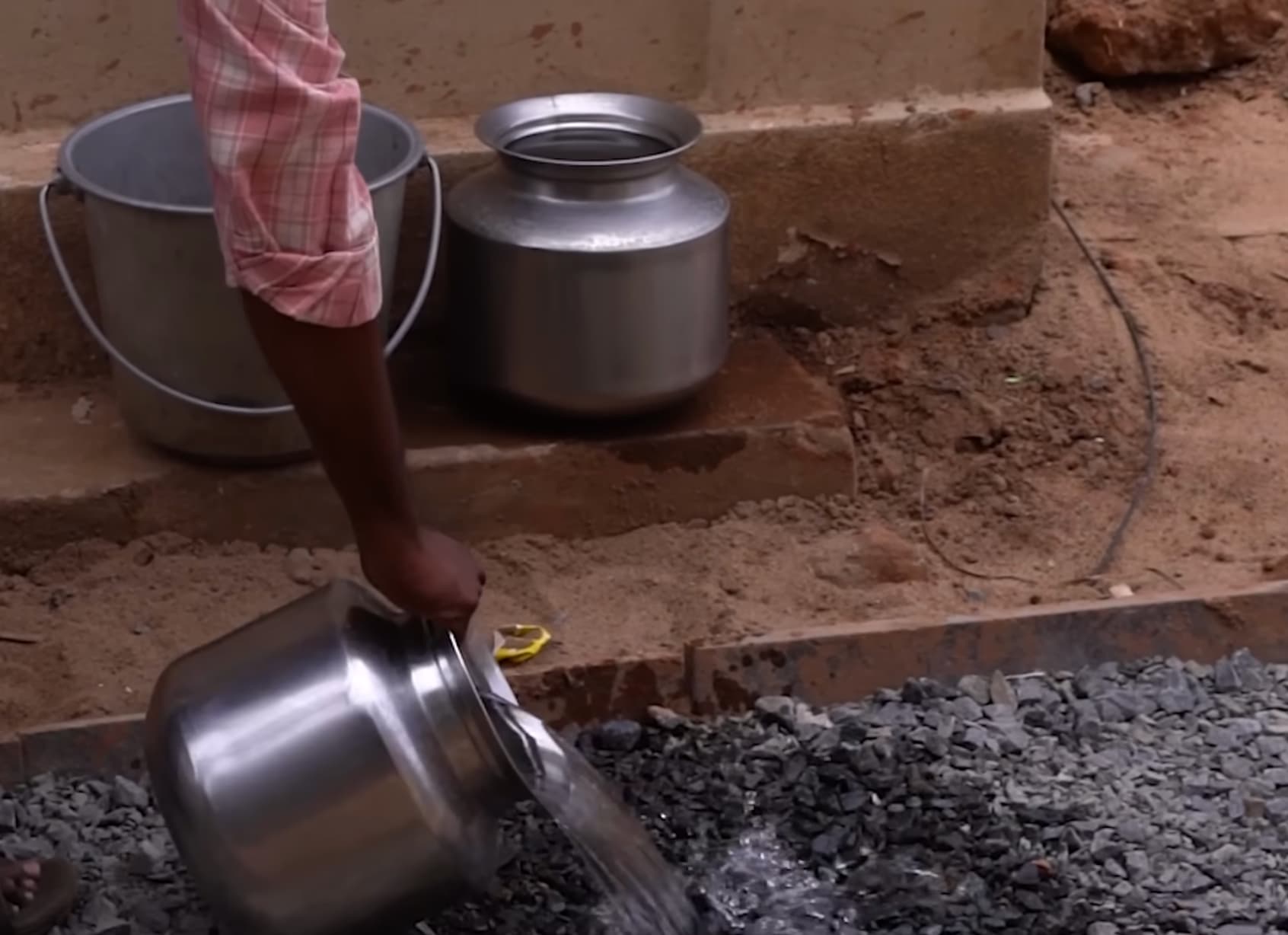
Household greywater flows into the drain and filters through 10mm chips, 40mm metal, and large boulders safely.
Recharge
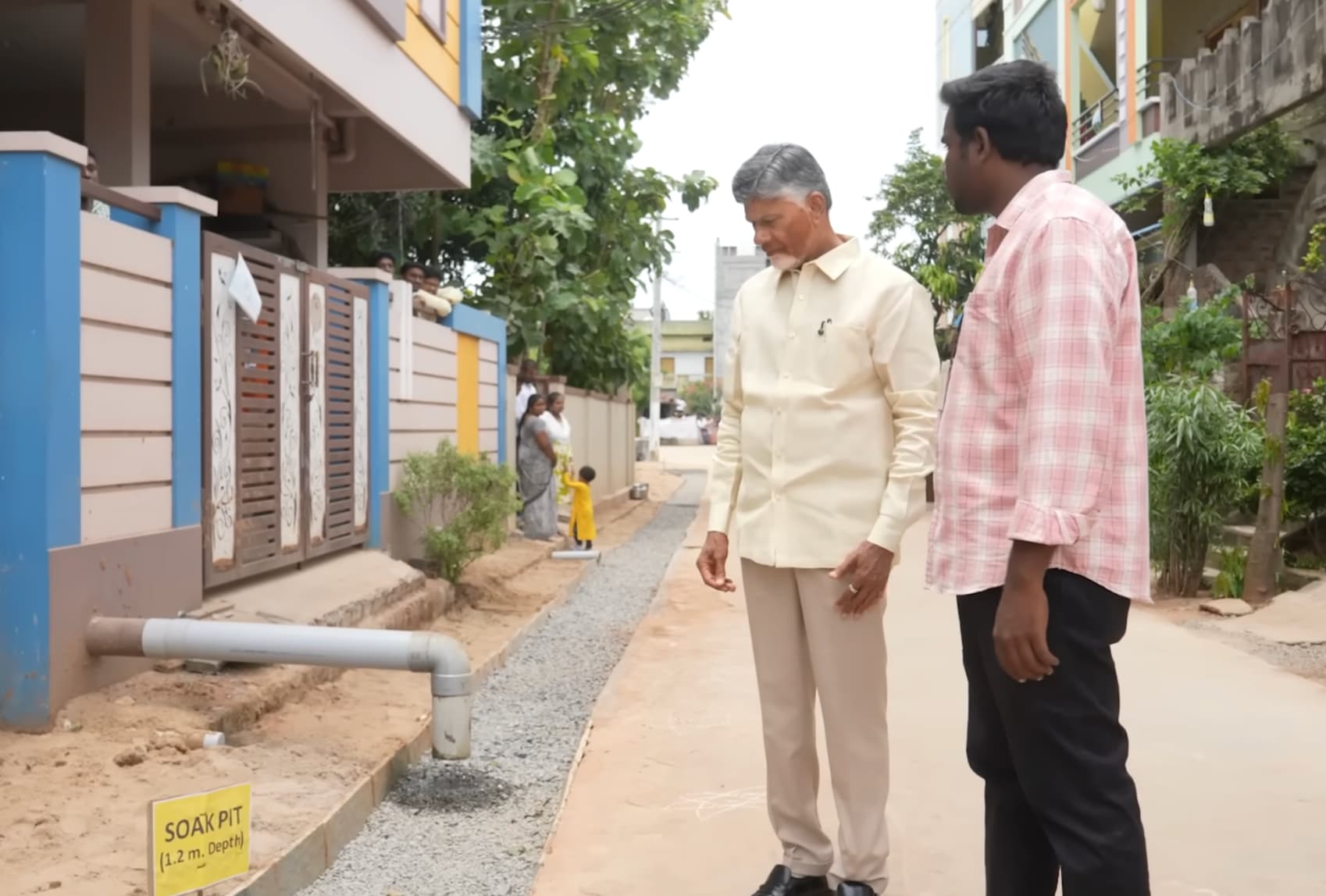
Filtered water enters deep soak pits placed every 15-30 meters, replenishing the local groundwater table naturally.
Maintenance
Simple raking of the top gravel layer once a month by local sanitation workers removes silt and ensures longevity.
Field Video Footage
Pilot Implementation Data by District
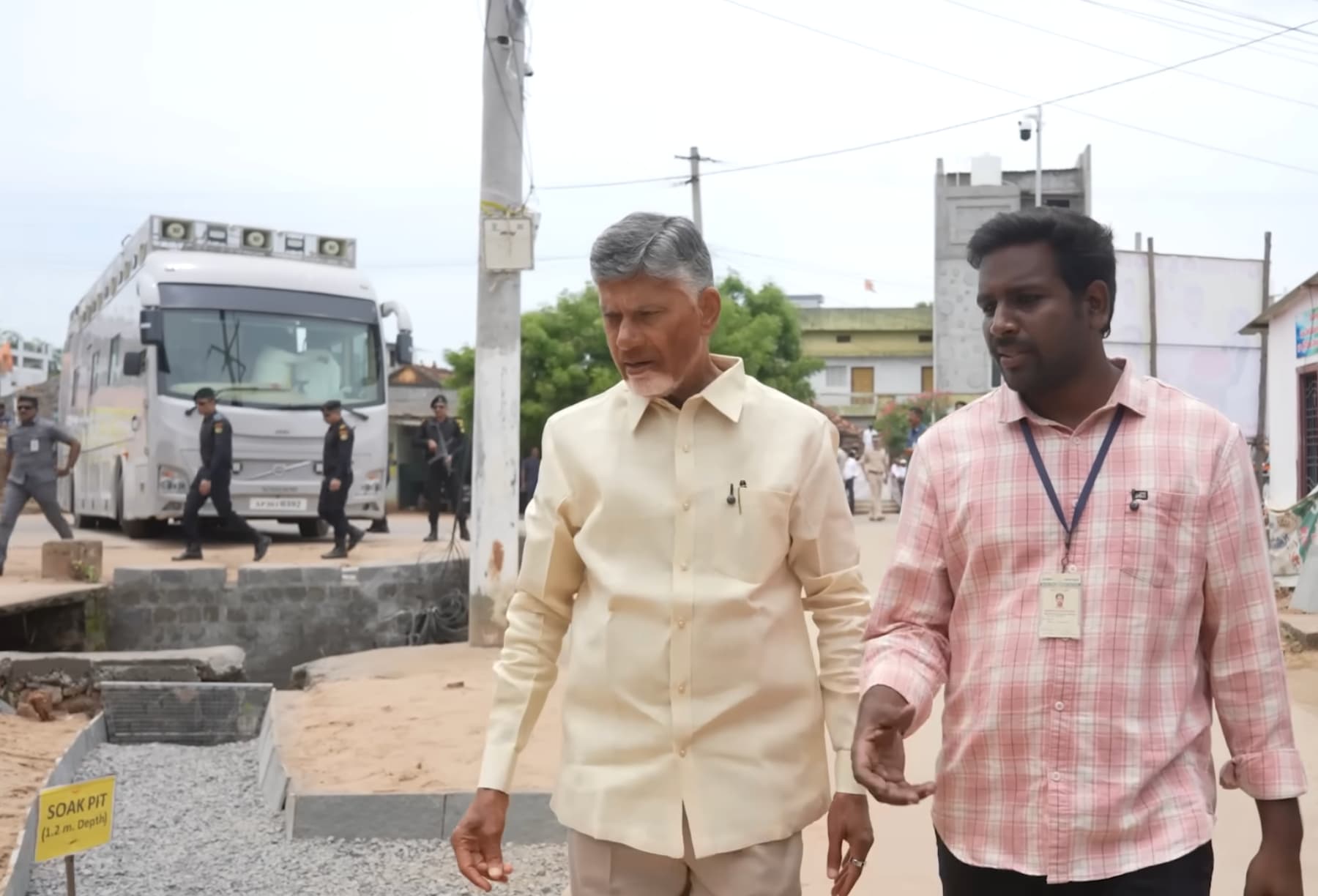
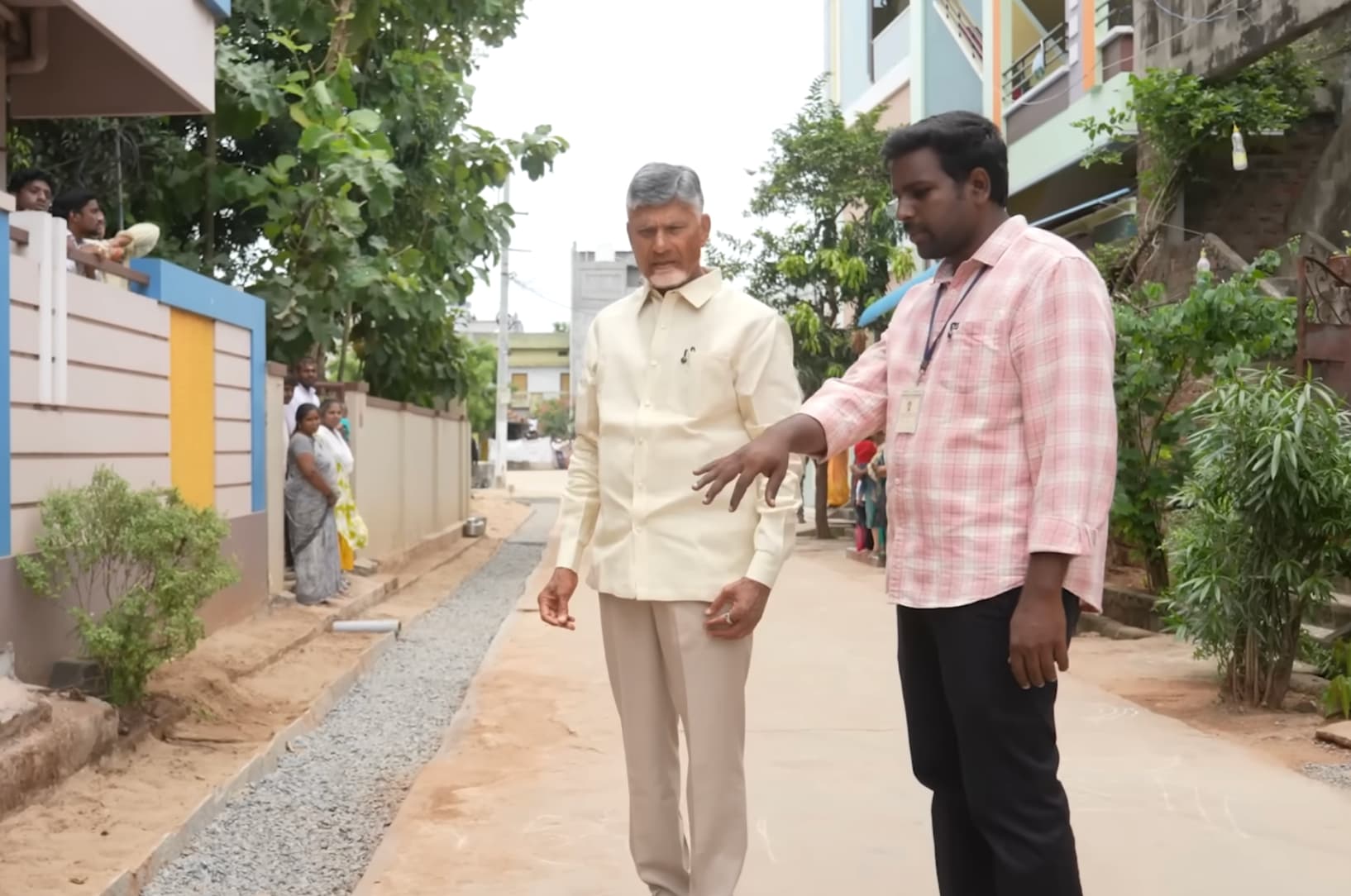
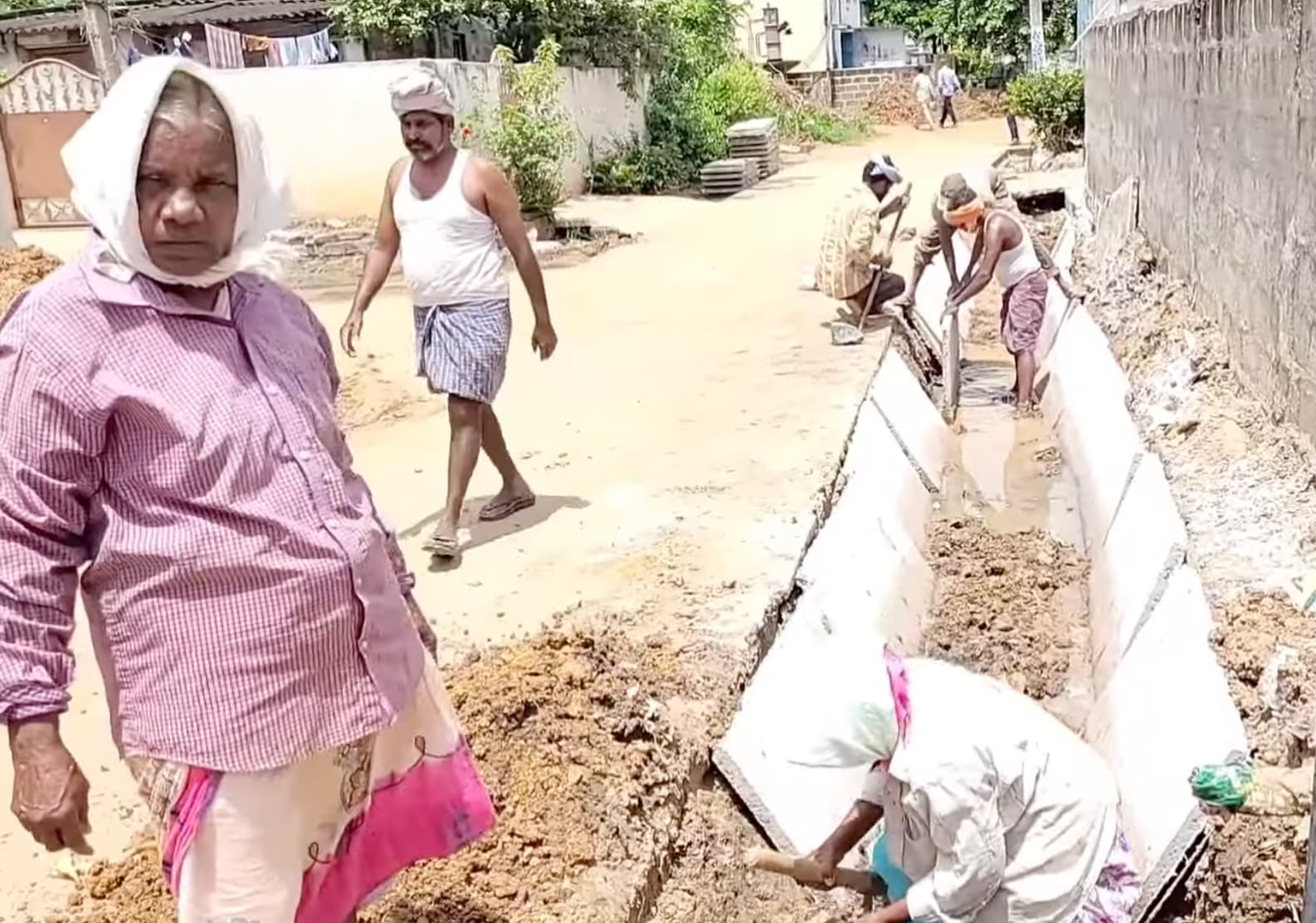
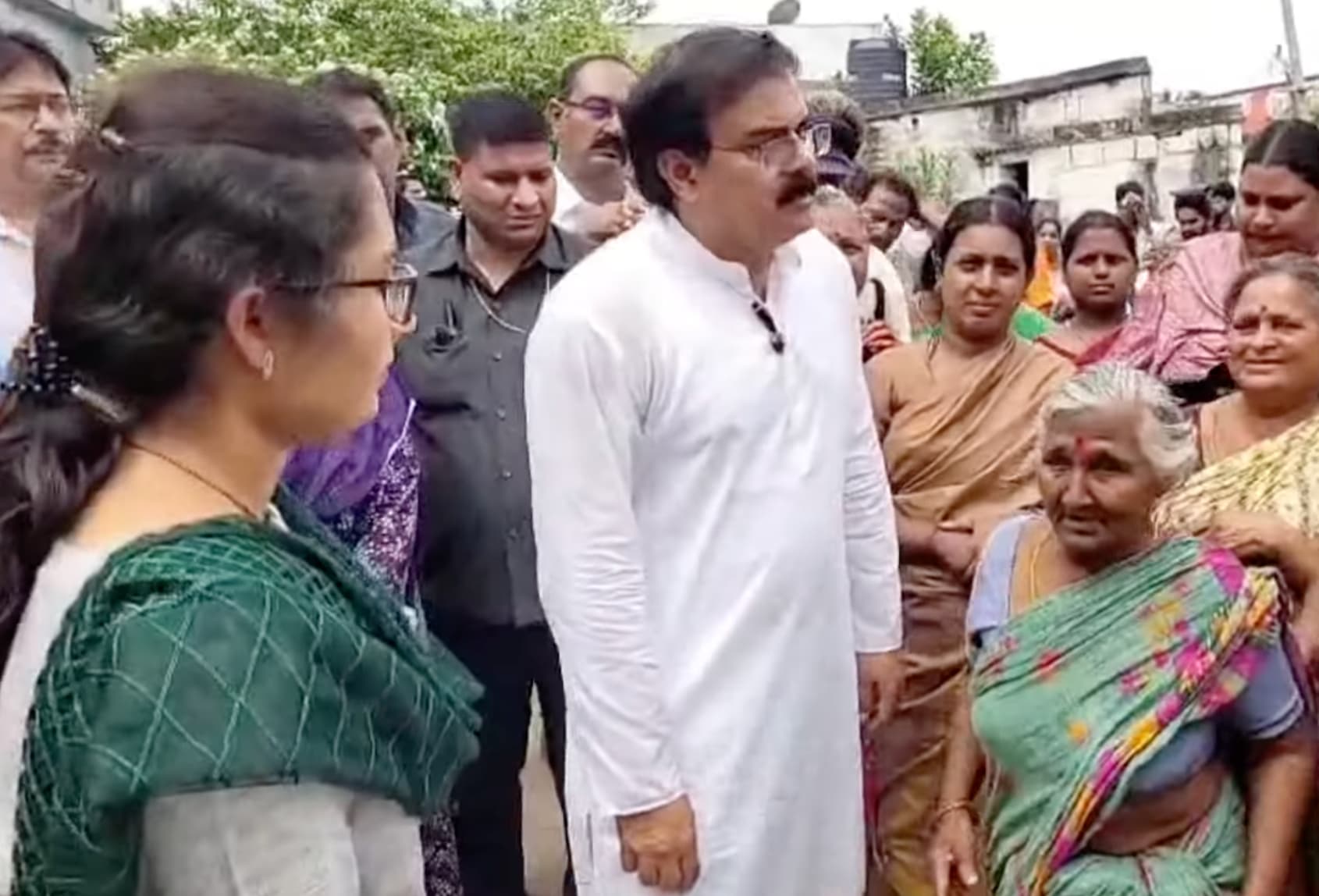
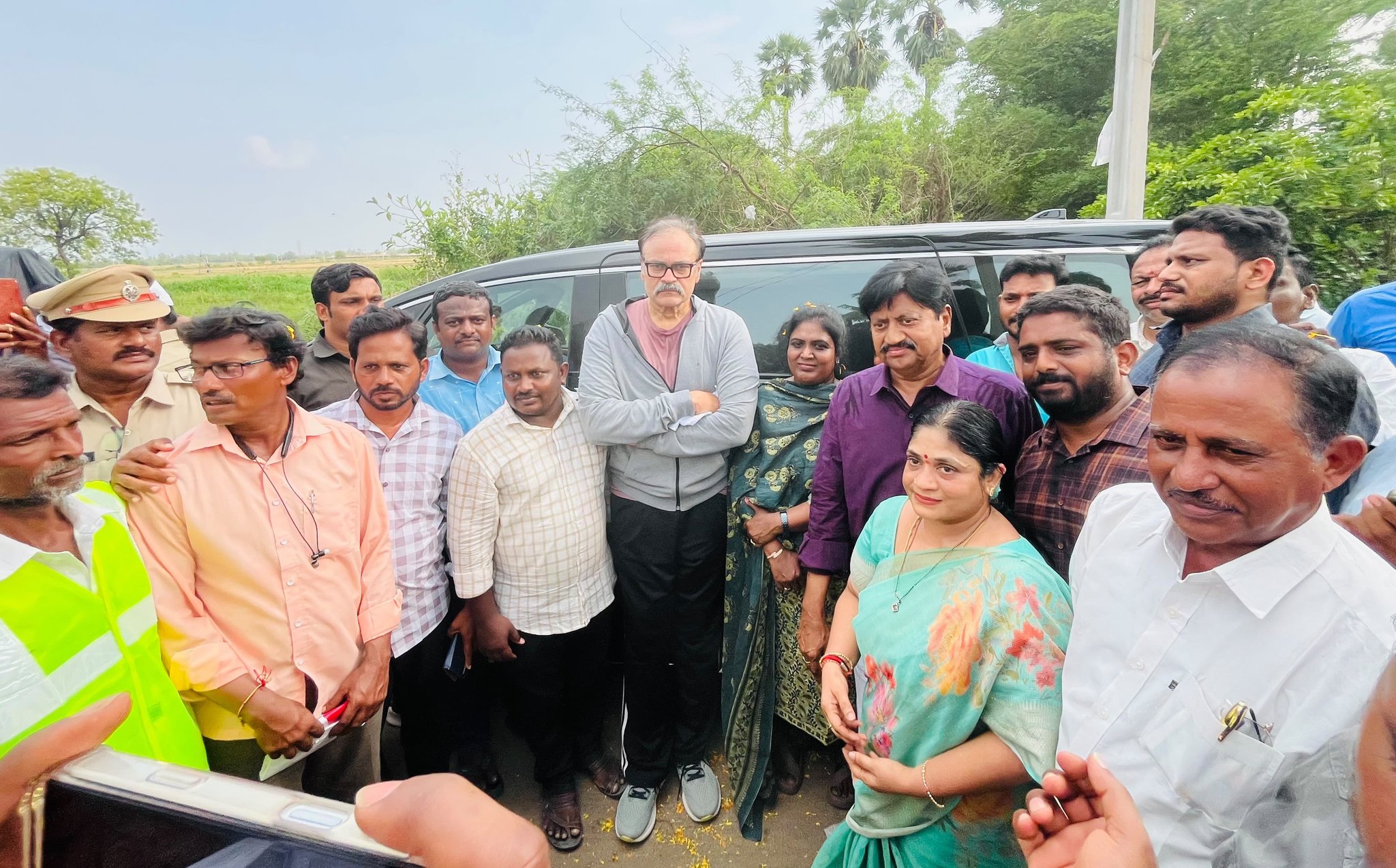
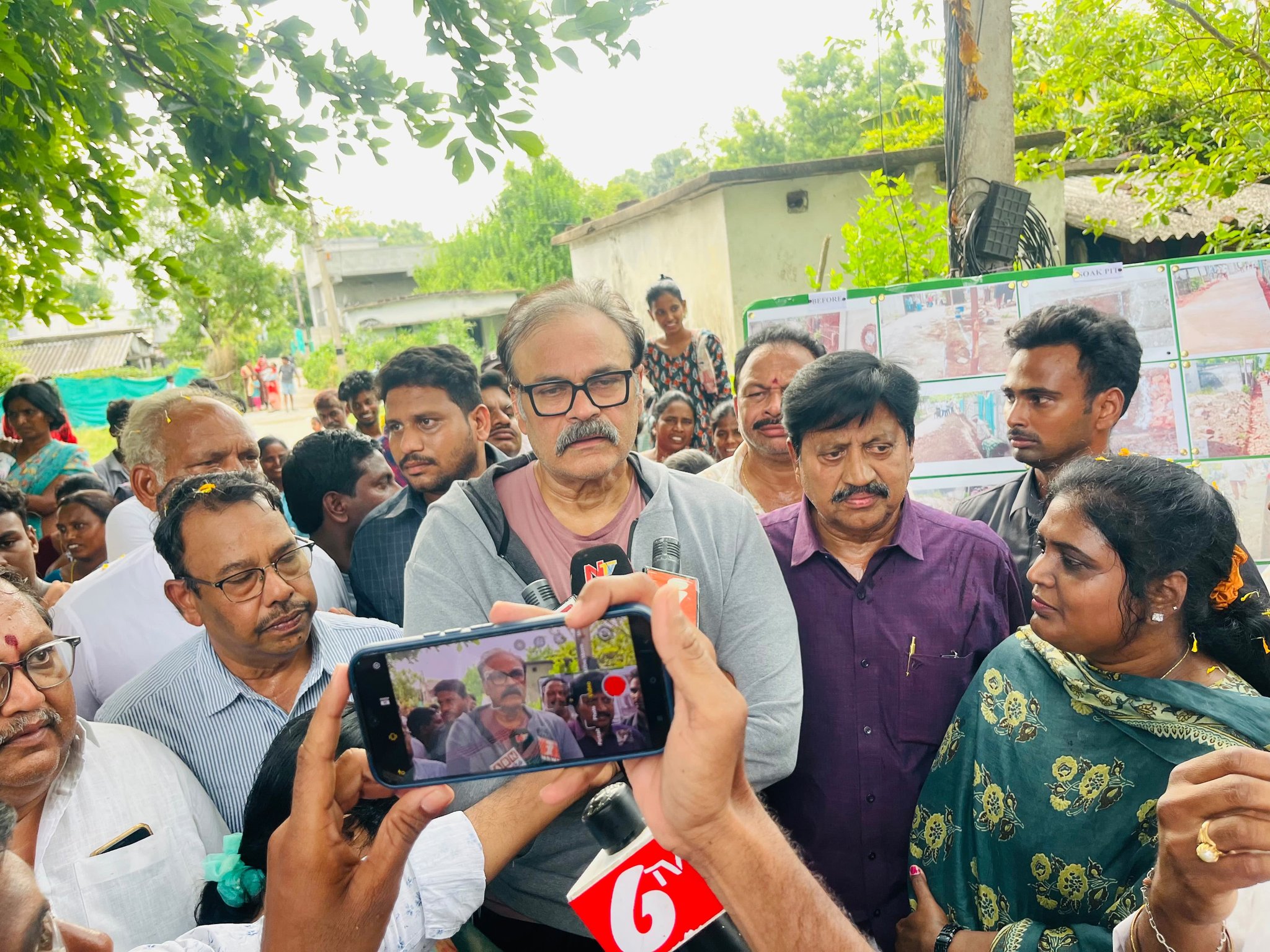
The Magic Drain initiative has moved rapidly from conceptual pilot to state-wide rollout. Review the field data and implementation stages across six key Andhra Pradesh districts below. (Click images to enlarge).
Pilot 1: Proof of Concept
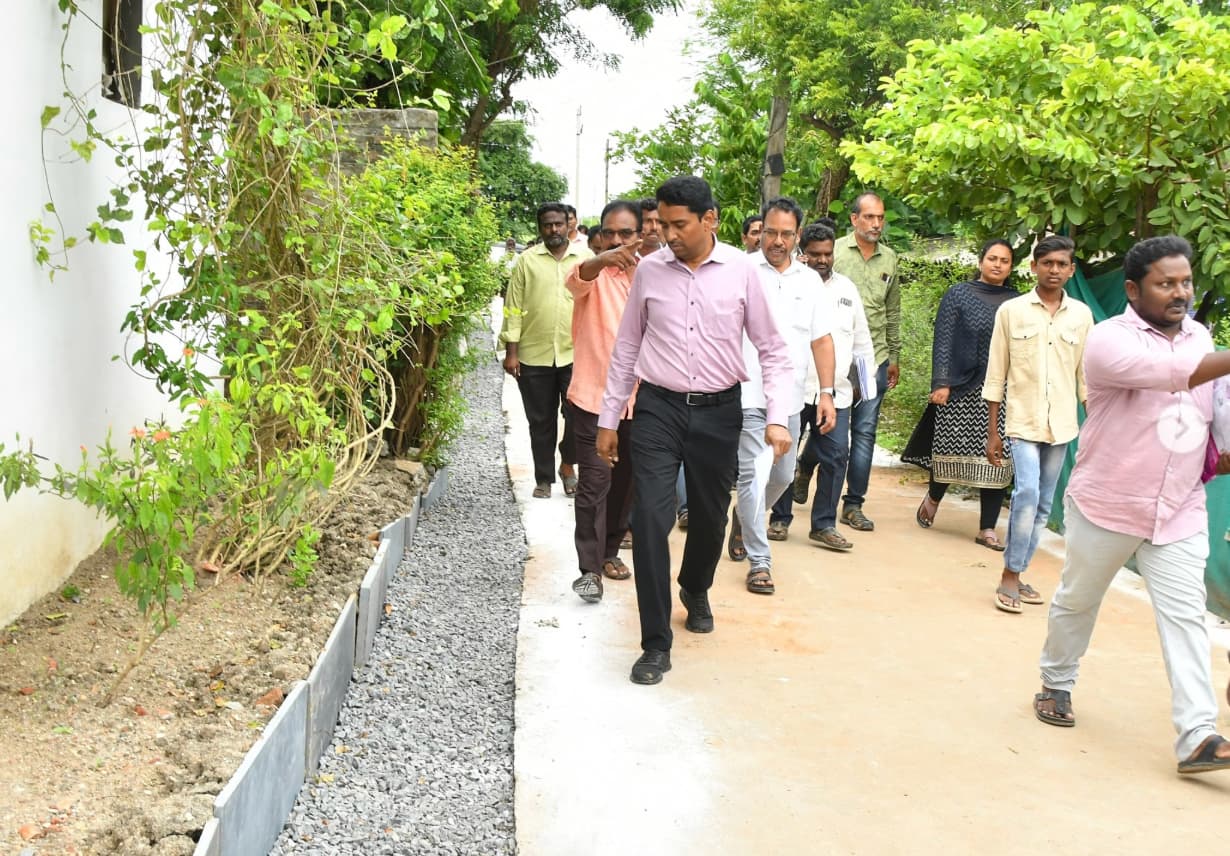
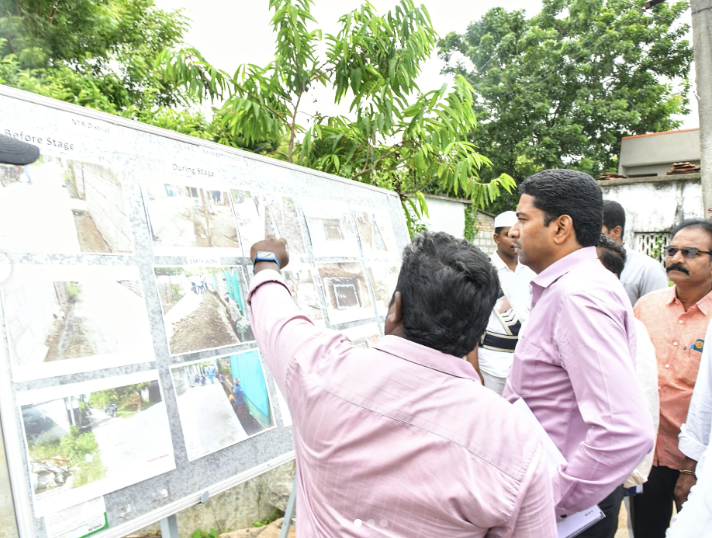
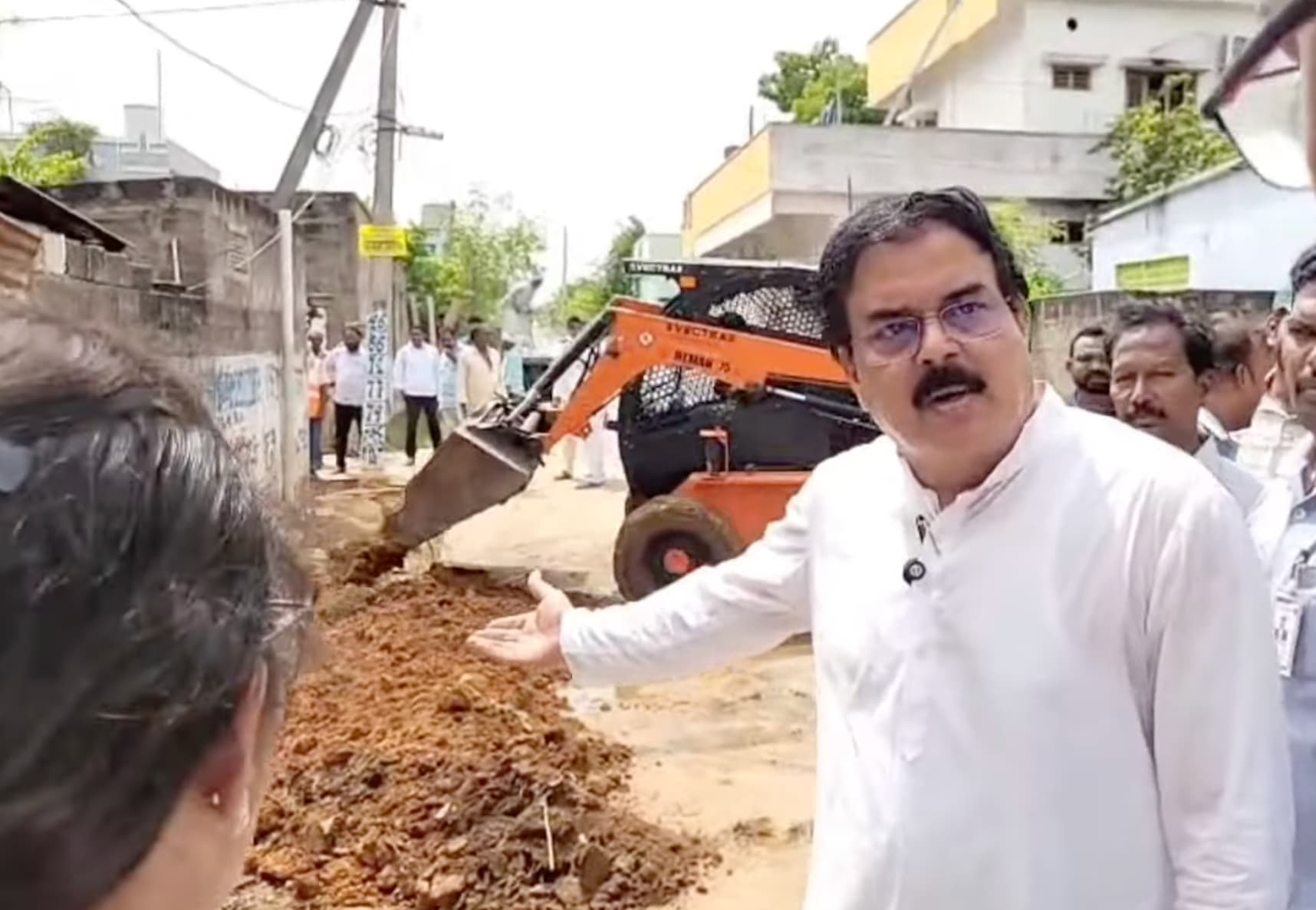
"Earlier, streets were filled with dirty water. After the rains, this new system drained everything quickly, proving the viability of the Magic Drain."
Est. Savings: ₹45 Lakhs
Official Site Showcase
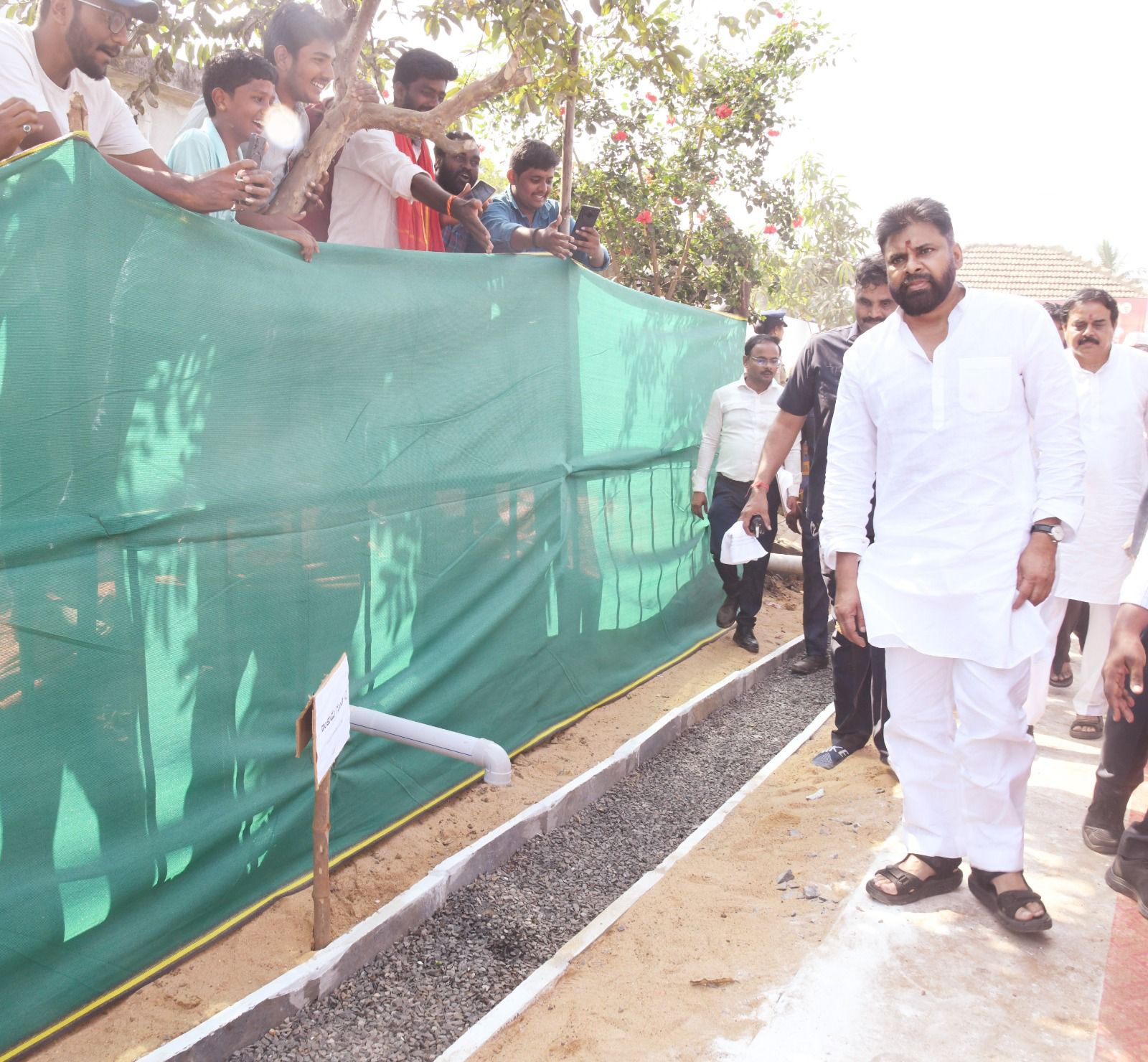
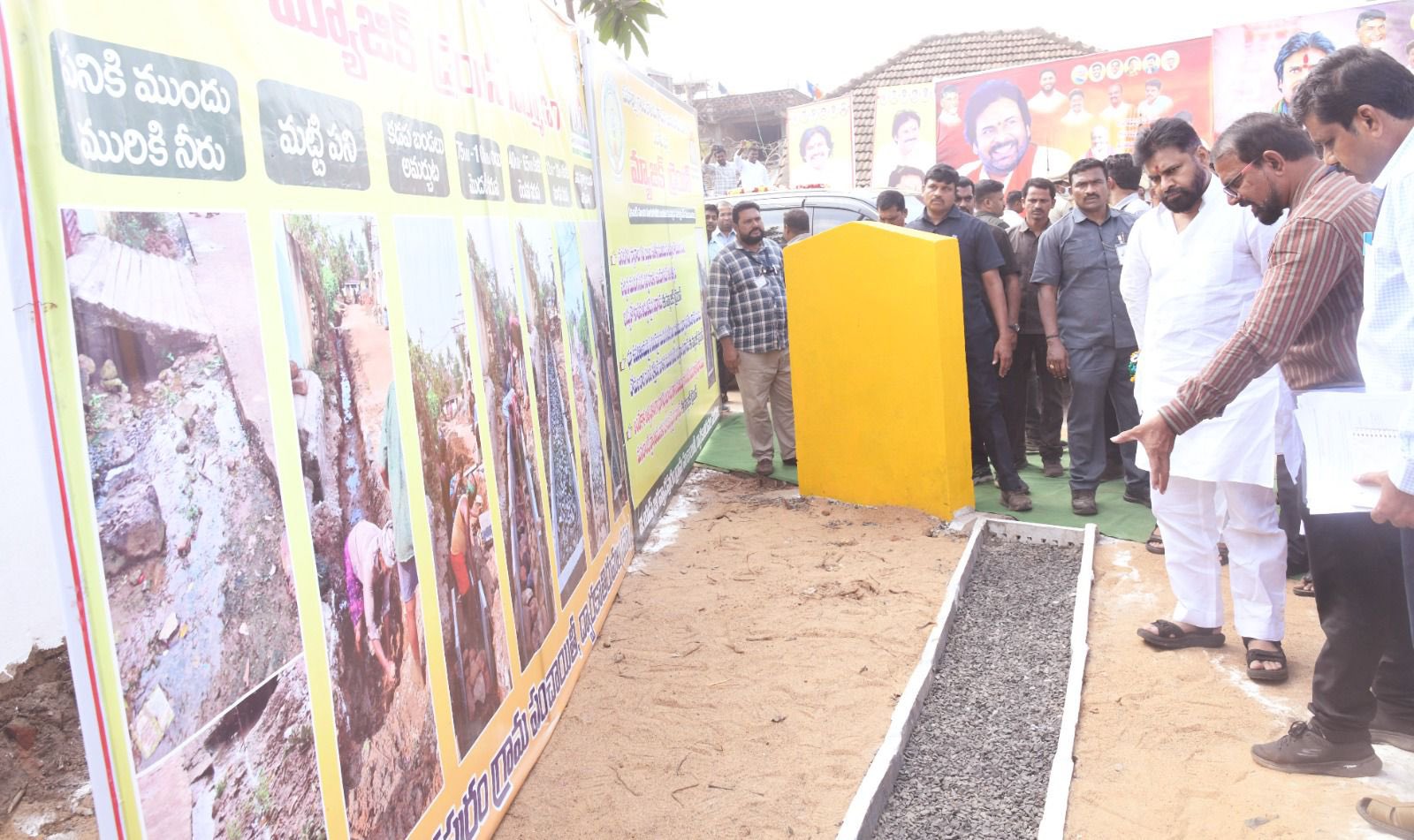
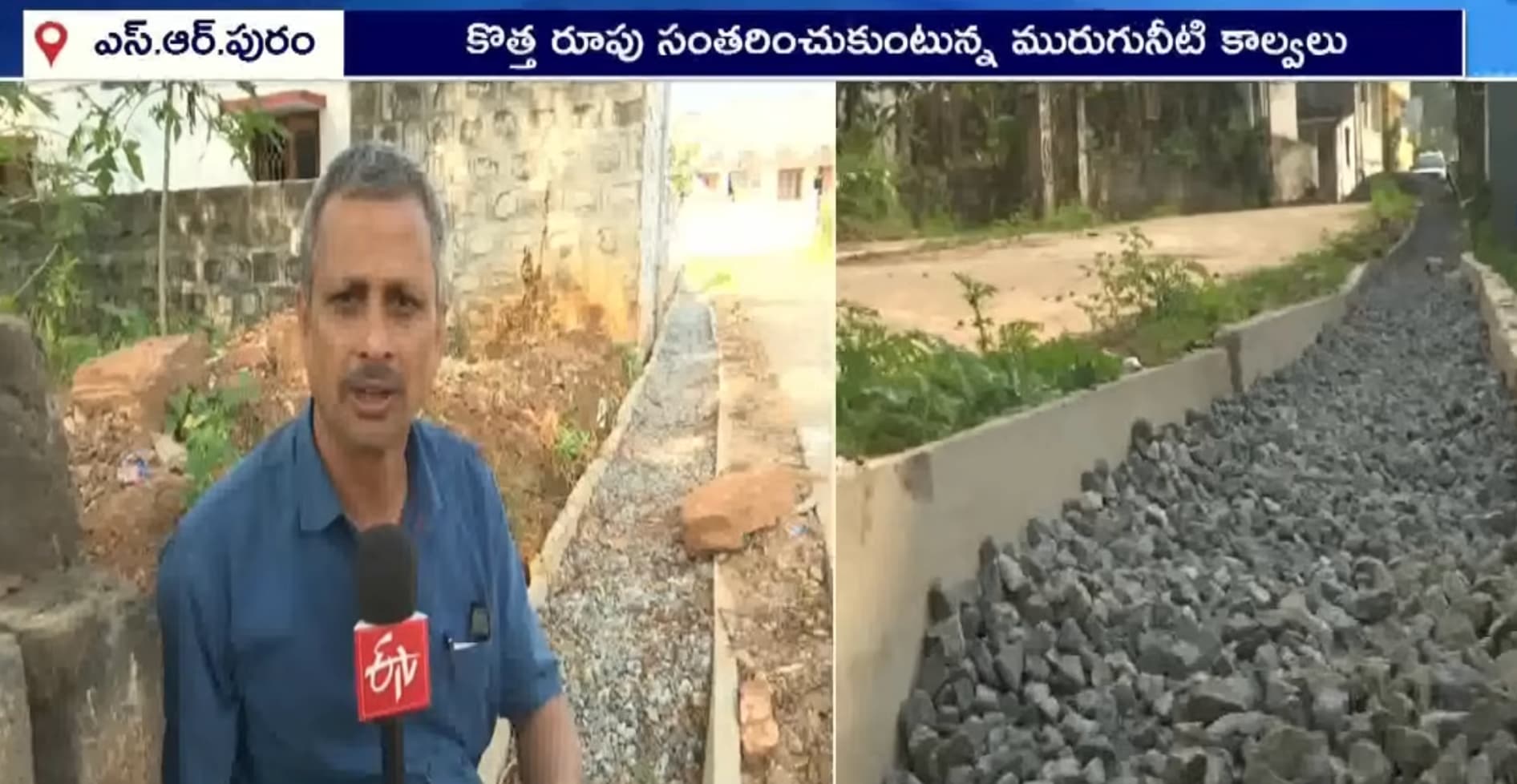
Visakhapatnam Rollout
Peddapuram Pilot
Magic Drain Tenali
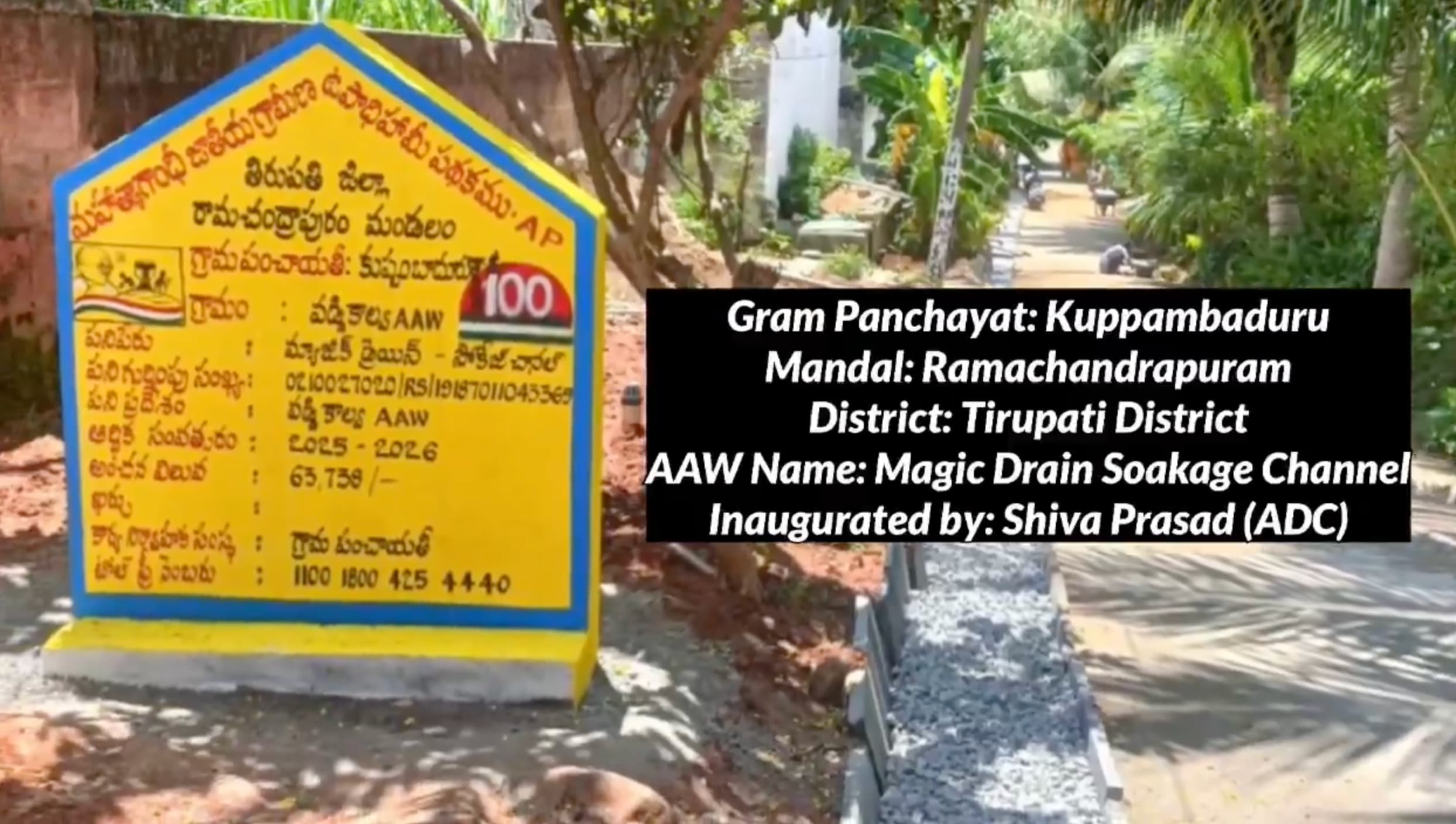
Magic Drain Tirupati
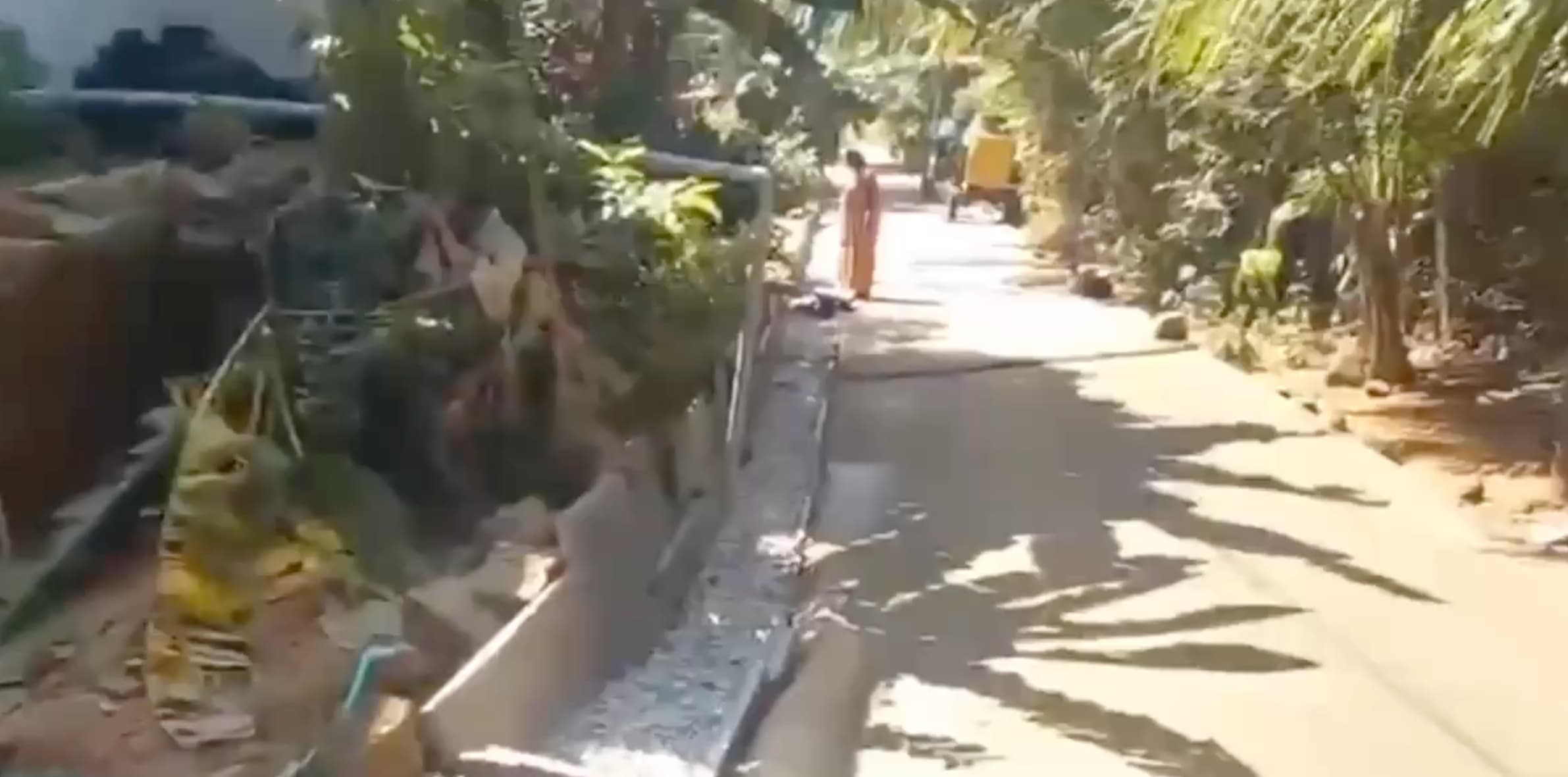
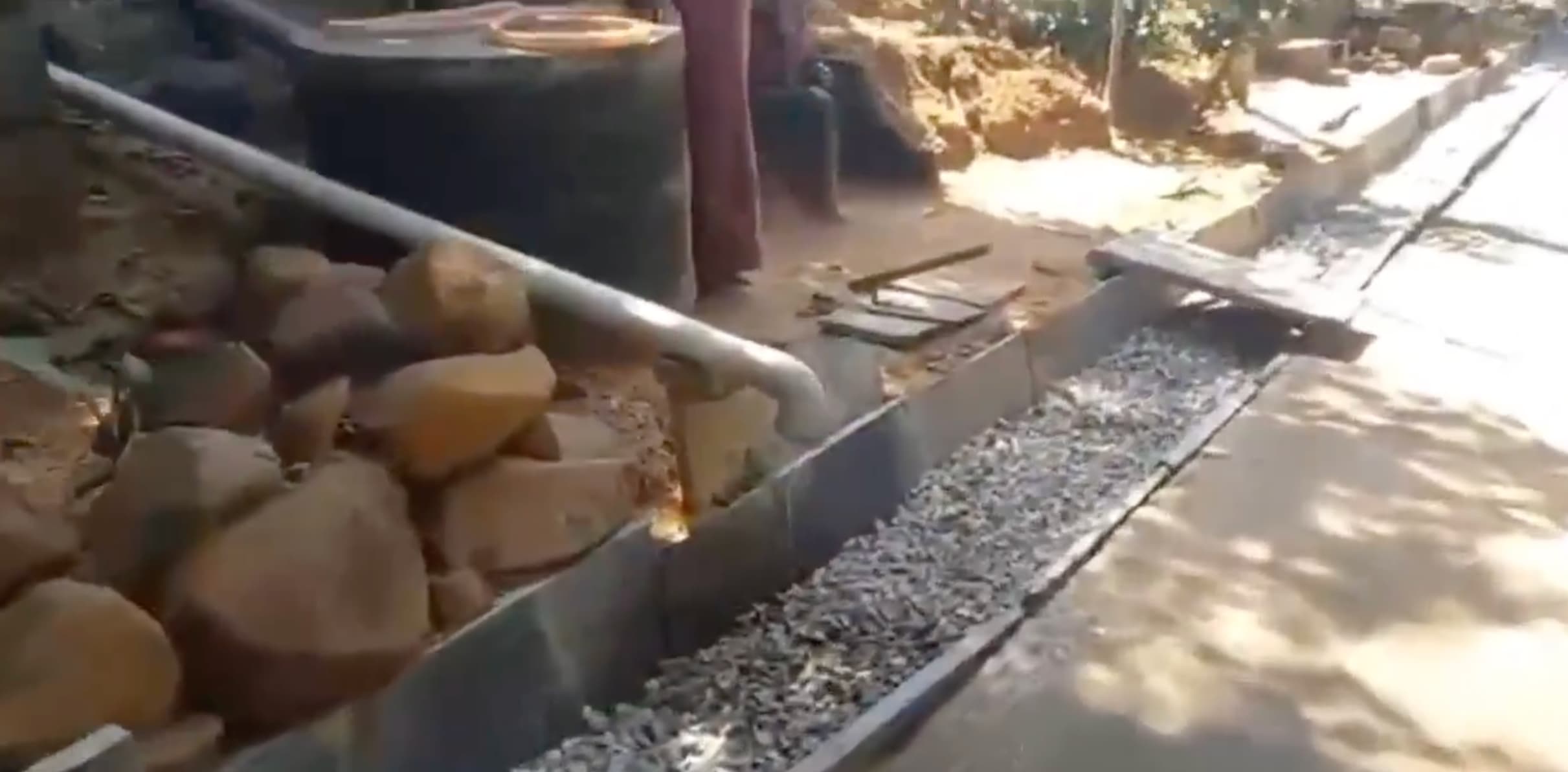
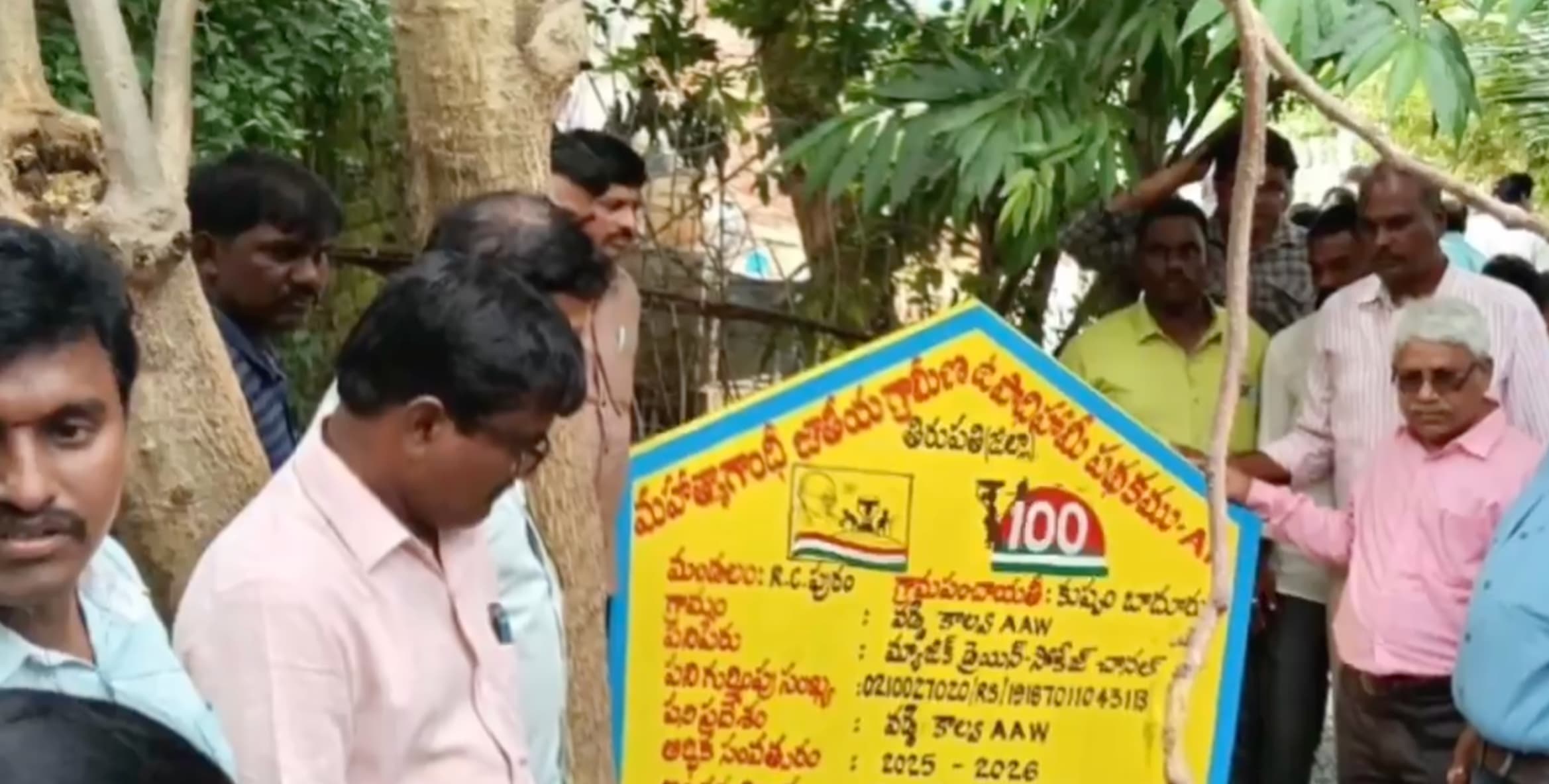
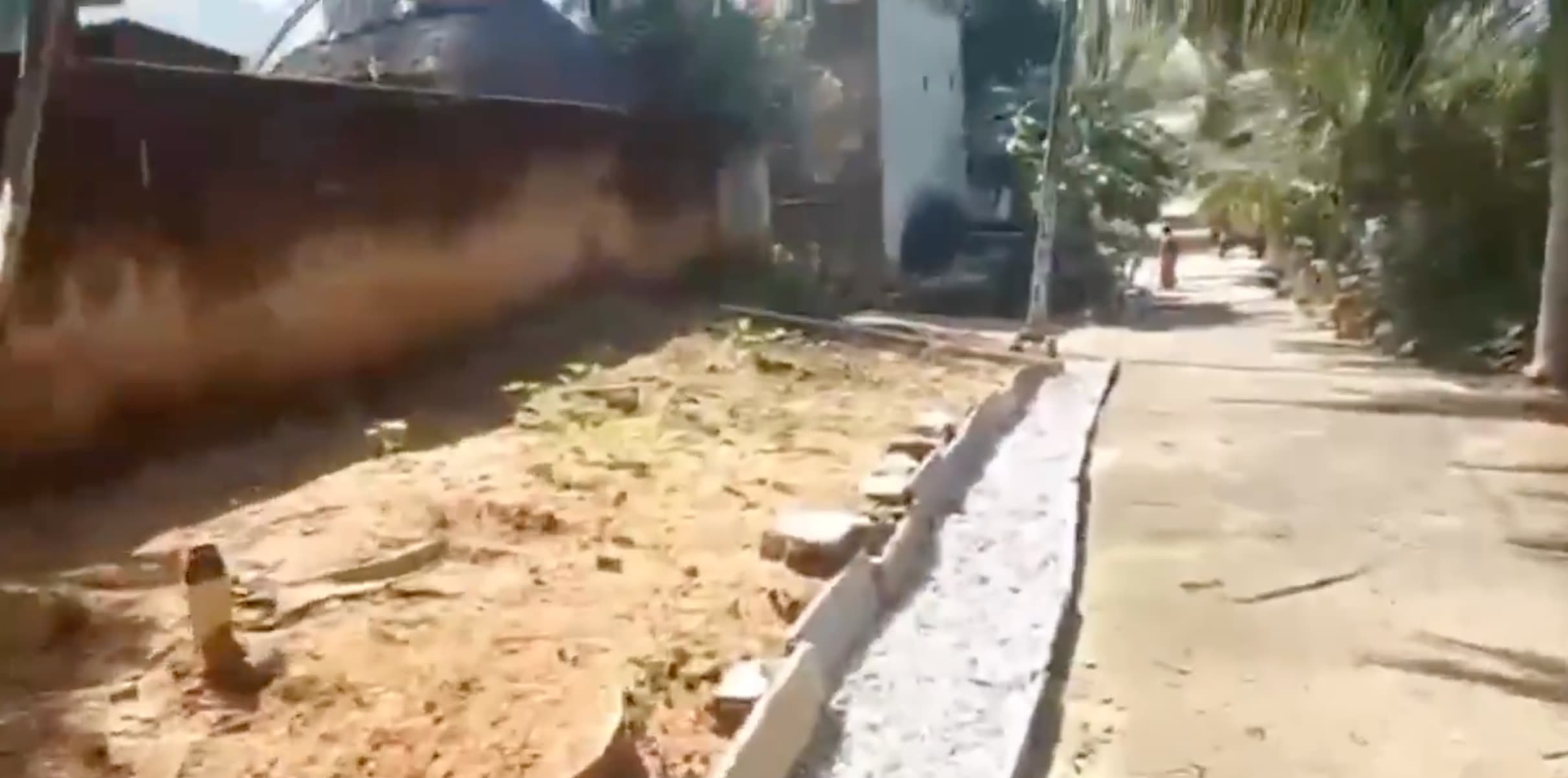
Magic Drain Somavaram
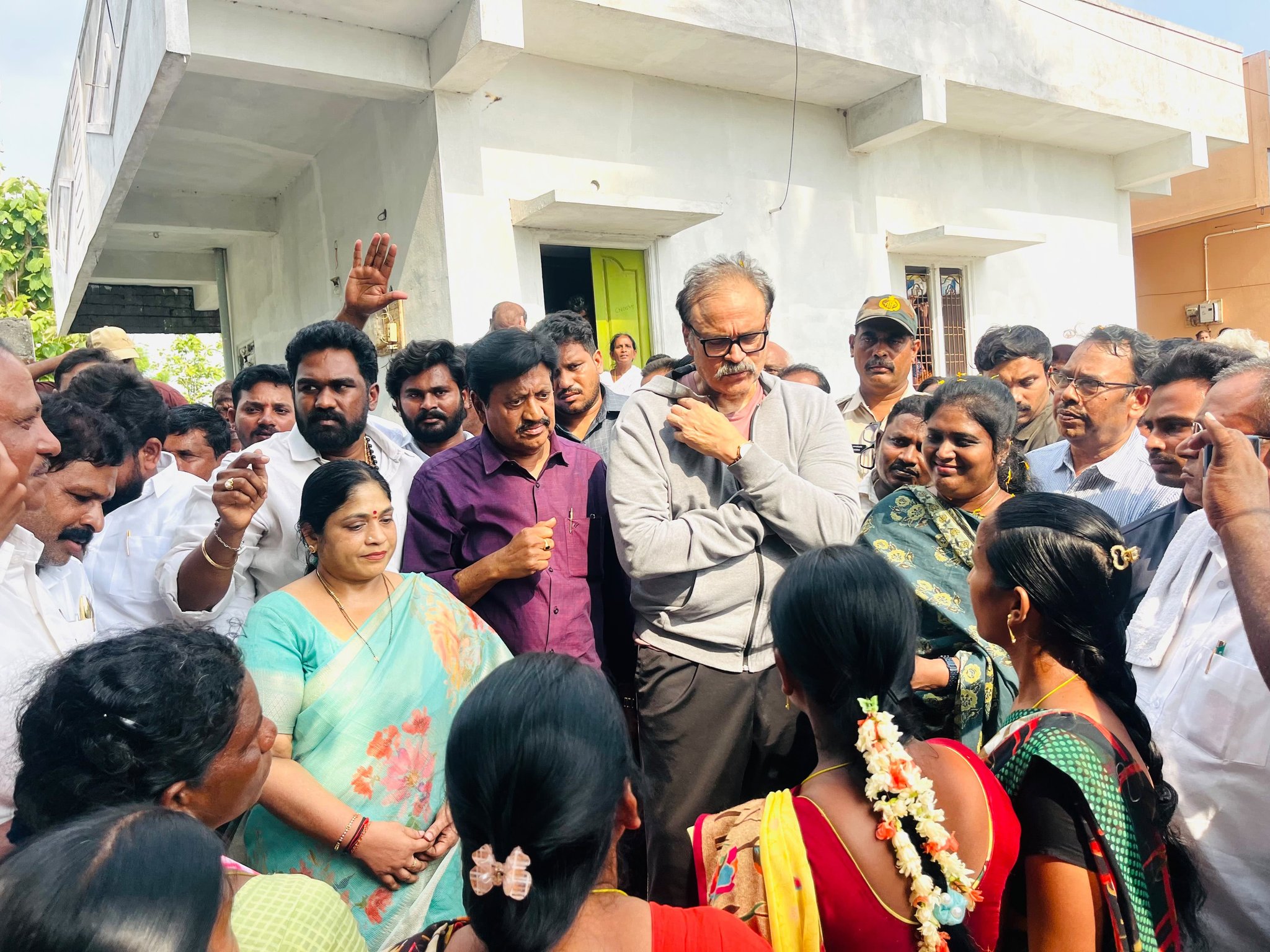
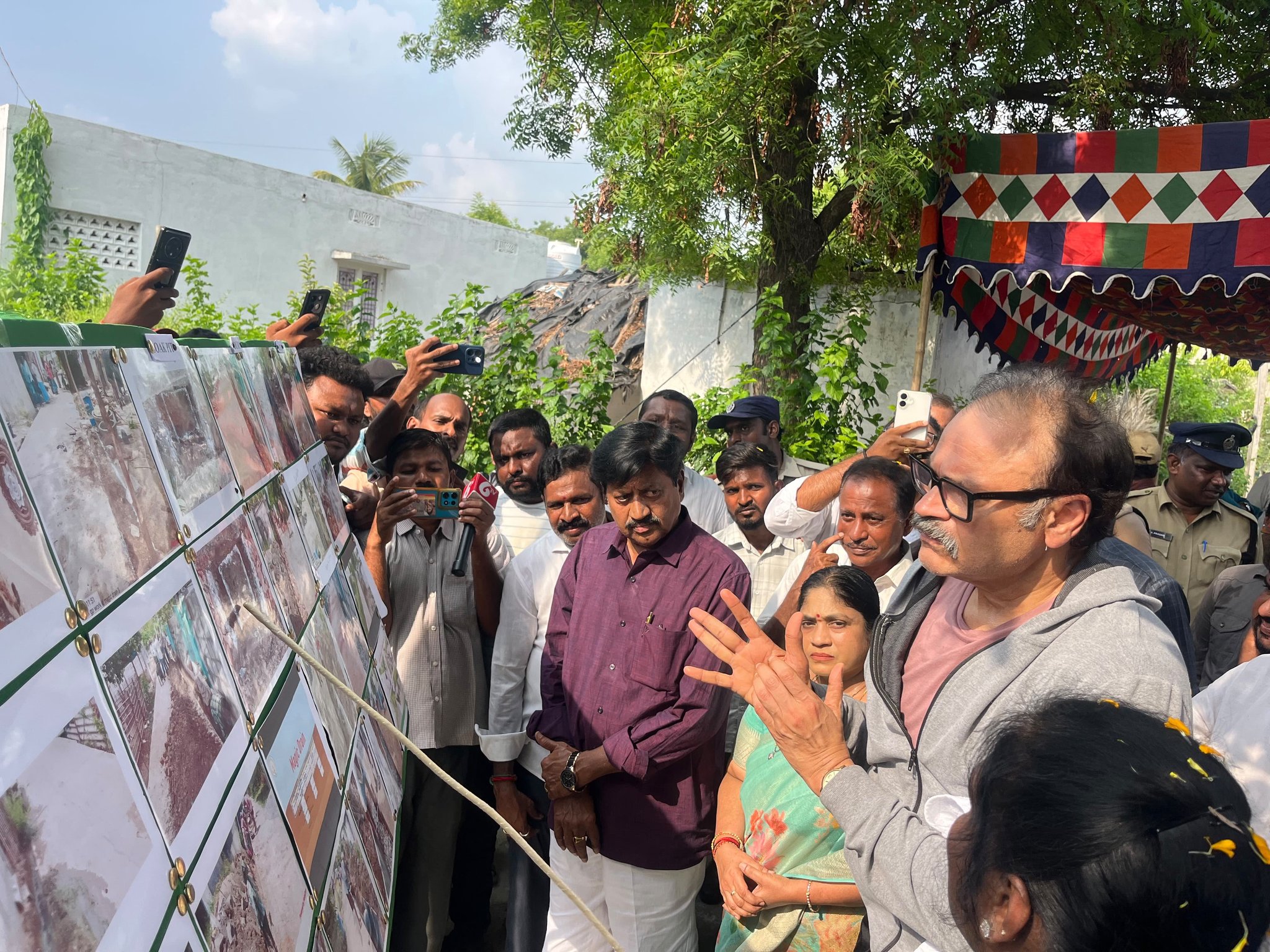
Initiative Impact & ROI
87% Construction Cost Reduction
Standard CC Drain: ₹5 Lakhs per 100m.
Magic Drain: ₹0.65 Lakhs per 100m.
Operating at just 13% of traditional budgets, allowing Panchayats to stretch funds further.
Storm Water Management
Functions exceptionally as a storm water drain. Prevents water from breaching low-lying houses during AP's heavy monsoon rains, actively combating flood risks.
Public Health Transformation
Eliminates the root cause of stagnant greywater. This directly reduces foul odors, ensures cleaner streets, and drastically cuts down vector-borne disease rates.
The Concept in Simple Terms
The Old Way
The Concrete Slide
Traditional cement drains take dirty water and slide it down the street, usually ending in a stagnant pond. This system smells, clogs easily with plastic, and creates breeding grounds for mosquitoes.
The New Way
The Earth Sponge
The Magic Drain is a trench filled with specific grades of stones. Greywater vanishes instantly into the earth, filtered clean. It requires only simple raking once a month to remove surface silt.